
A New Era for Sustainability Claims in the Built Environment.
In the built environment, sustainability progress depends not only on how materials perform, but on how clearly and honestly they are described. This article highlights how some of our signatories are building trust in the materials sector by aligning their communications with the Charter’s standards.
Date: February 2026
Read time: 5 mins
Author: AGC

The built environment has significant environmental impact. From the extraction of raw materials to how buildings perform in use and how products are disposed of at the end of their life, today’s choices will influence carbon emissions, resource use and human health for decades.
Construction materials have become more advanced and more technical. However, the way their sustainability credentials are communicated has not always evolved at the same pace.
In the construction materials sector, environmental claims are often reduced to simple labels such as eco, natural, low impact or green. These words may suggest good intentions, but without clear explanation and supporting evidence they can create confusion.
Architects, contractors, specifiers and consumers rely on accurate information. Trust depends not only on product performance, but on the verifiability of the claims being made.
Responsible sustainability communication is therefore central to professional integrity and progress in the built environment.
This is why we’re delighted a growing group of Anti Greenwash Charter signatories in the sector are showing how higher standards of communication practice can be set.
Among them are:
Each operates in a different part of the market, and yet all share a commitment to the Charter’s four core standards: Transparency, Accountability, Fairness and Honesty.
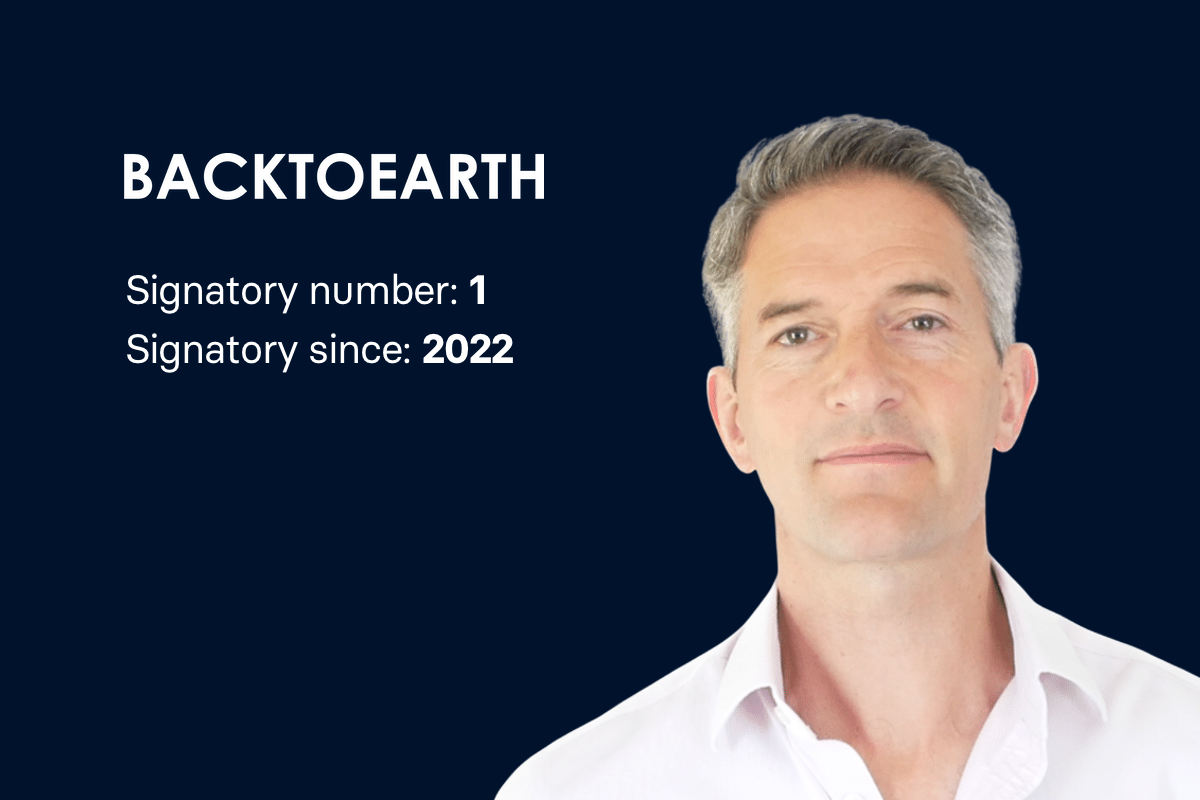
Back to Earth
Back to Earth sells sustainable building materials, particularly insulation for retrofit projects. The company is known for the quality of it’s advice, combining technical knowledge with practical construction experience. It sources selected products from across Europe, with attention to environmental performance and functional quality.
For founder Chris Brookman, sustainability has always been essential. However, it is not enough on its own.
“The functionality of many of these natural materials is what really sets them apart, and it just so happens that they are sustainable too.”
After years of seeing unclear or exaggerated claims related to materials, Chris wanted a clearer distinction between promotional language and measurable performance. Signing the Charter was a public commitment to that principle.
Through the Charter process, Back to Earth:
-
Refined its marketing language to remove ambiguity
-
Formalised evidence based claims using Environmental Product Declarations (EPDs)
-
Strengthened internal review processes through a Green Claims Policy
“It is easy to be vague in marketing. The Charter helped us remove that. Everything we say is backed by something solid.”
The results have been clear. The team has greater internal confidence, stronger technical understanding and improved trust from all stakeholders who value clear and specific information.
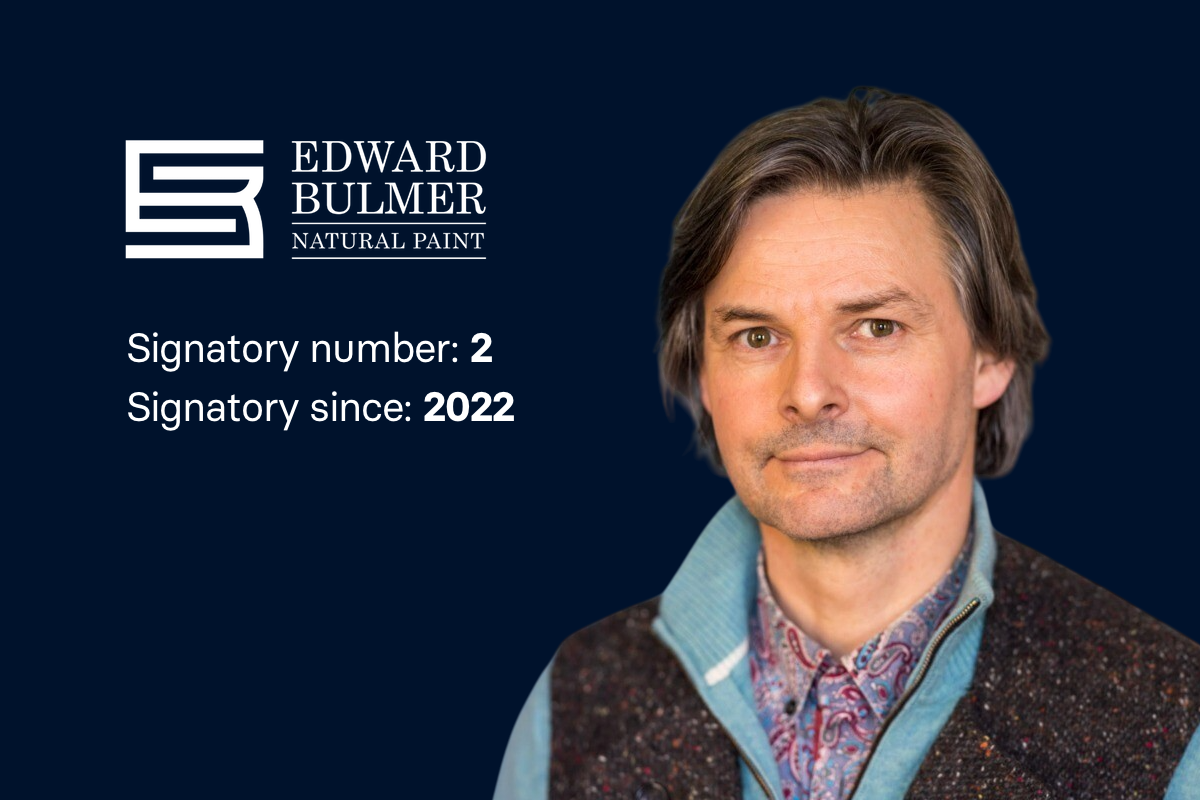
Edward Bulmer Natural Paint
Edward Bulmer Natural Paint was created to address a lack of transparency in the paint industry. While other interior materials could be traced and certified, paint ingredients were often not fully disclosed.
“We could source FSC timber and understand textiles. But with paint, there was no transparency about ingredients.”
The company was founded on the belief that customers should know exactly what they bring into their homes. It uses traditional materials and ecological formulations, publishes full ingredient lists and prioritises breathable, durable finishes.
In an industry where broad terms such as eco friendly are common, joining the Charter provided independent validation of values the company had long upheld.
As a signatory, the organisation:
-
Developed a formal Green Claims Policy
-
Appointed a sustainability lead to oversee impact and communications
-
Strengthened audit processes by measuring weight, energy use and emissions rather than relying only on cost based metrics
“The Charter challenges you to explain why you believe you meet the standard, and to demonstrate it.”
Internally, this has improved alignment and clarity. Externally, it gives customers confidence that claims are independently reviewed.

Brouns & Co
Brouns & Co produces linseed oil paint as an alternative to petrochemical based products. For founder Michiel Brouns, however, the issue is not only what a product contains. It is also how it is marketed.
“People hear water based and assume it is better. In most cases, it simply means plastic mixed with water. It is not more sustainability and it is not honesty.”
Unlike many manufacturers, Brouns & Co designs products for durability rather than frequent replacement. In this model, longevity reflects quality.
Signing the Charter provided a structured framework for reviewing and strengthening all communications. A comprehensive Green Claims Policy now supports both marketing and technical content.
For Michiel, what sets the Charter apart is its focus on consistency. It does not reward isolated claims or partial transparency. It requires a coherent approach across the business.
“This is not just about marketing. It is about respect, for the customer, for the environment and for the truth.”
A Collective Shift in the Materials Sector
The importance of these organisations signing the Charter lies not only in their individual commitments, but in their collective example.
They show that responsible sustainability communication in the built environment sector:
-
Strengthens credibility
-
Supports commercial resilience through trust
-
Brings clarity to a complex marketplace
-
Raises standards across the sector
In the sector, decisions have long term environmental consequences and the integrity of communication matters as much as the integrity of materials.
Sustainability Communications with Confidence
If your organisation wants to protect its reputation, reduce greenwashing risk, and communicate sustainability with confidence, we’d love you to join us.
📢 Become a signatory of The Anti-Greenwash Charter.
Shape the future of responsible communication and show stakeholders what honest, trusted sustainability leadership looks like.