

Engineering Trust in Sustainability Communications.
Three Anti-Greenwash Charter signatories show how engineers and industry leaders are strengthening trust in sustainability claims across the built environment.
Date: March 2026
Read time: 3 mins
Author: AGC

In the built environment, sustainability is becoming increasingly technical.
Engineers calculate embodied carbon. Designers model energy performance. Materials are assessed against detailed environmental standards. The decisions made at the design stage can shape a building’s environmental impact for decades.
Yet the language used to describe this work often remains broad.
Terms such as low carbon, net zero and sustainable now appear across the sector. Without clear explanation and evidence, however, these claims can easily become ambiguous. The challenge is not only to improve environmental performance, but to communicate it with precision.
For a growing number of organisations, credible sustainability communication is becoming part of professional discipline.
Three Anti Greenwash Charter signatories illustrate how this shift is taking place across the built environment.
- Perega, a civil and structural engineering consultancy.
- Whitby Wood, an international engineering design practice.
- Timber Development UK, the UK’s largest timber trade association.
Each operates at a different point in the sector. Yet all have aligned their communications with the Charter’s four core standards of Transparency, Accountability, Fairness and Honesty.
Together, they show how trust in sustainability claims is built through evidence, structure and clear communication.
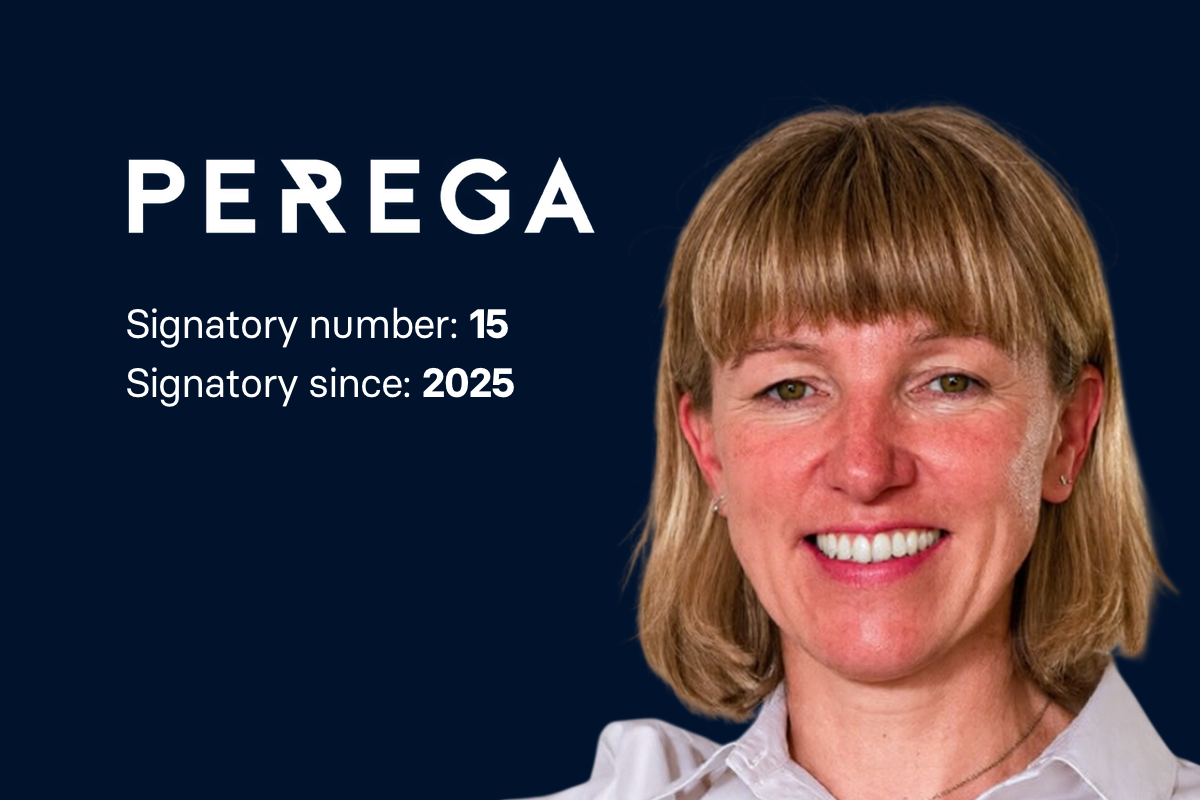
Perega: Precision Behind Sustainability Claims
For engineering consultancy Perega, sustainability begins with design.
The firm has expanded its work on embodied carbon, reuse and low carbon structural strategies across projects in the UK. As this work developed, so did the need to communicate it carefully.
“We realised how exposed you become when you start talking more about sustainability,” says Emma Neal, Head of Marketing. “Every claim can be questioned.”
The issue was not deliberate greenwashing. Instead, the team saw uncertainty across the sector. Terms such as low carbon can appear simple but often lack clear explanation.
Joining the Anti Greenwash Charter helped introduce stronger internal processes. Perega developed a Green Claims Policy and formalised review procedures to ensure sustainability statements are supported by evidence.
“We are not more cautious because we are scared,” Emma says. “We are more confident because we understand what we are doing.”
In engineering, credibility is fundamental. Clear communication helps reinforce that trust.
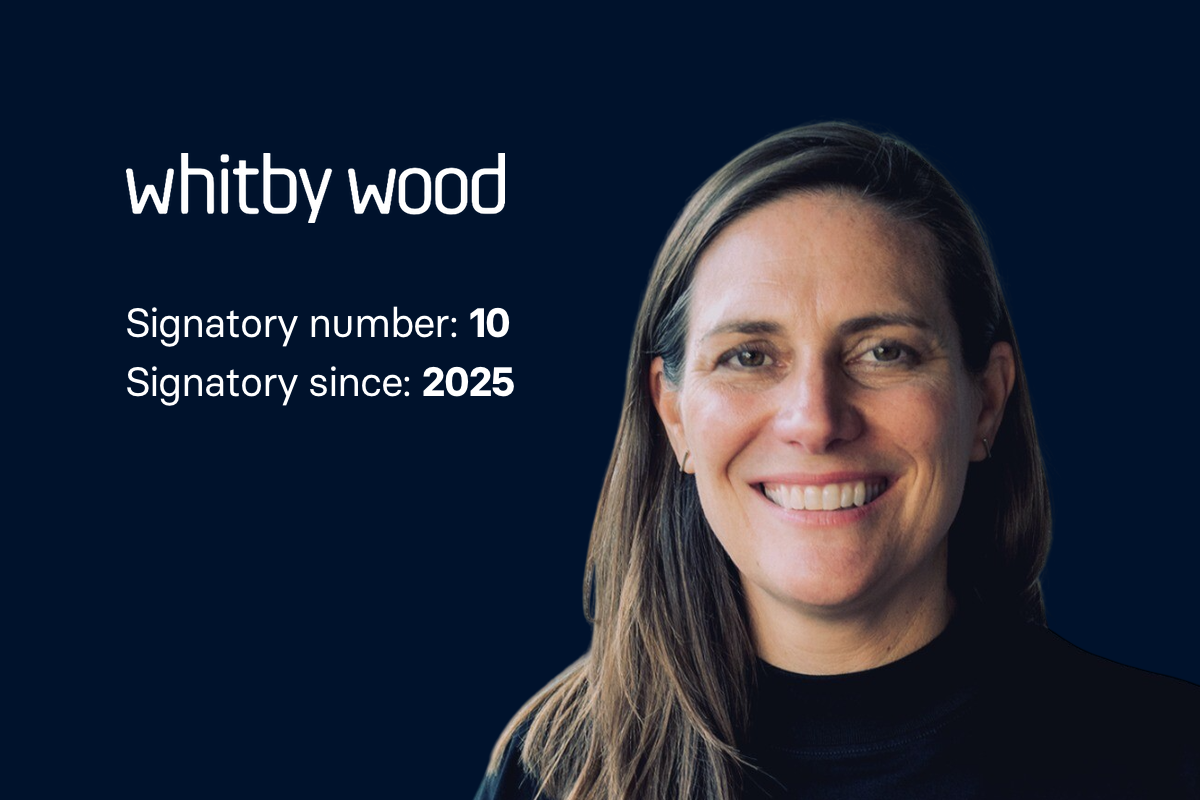
Whitby Wood: Structure Around Principles
Whitby Wood operates internationally, helping clients design buildings and urban environments with lower environmental impact.
The consultancy has been strengthening how sustainability is embedded across its operations, supported by UK emissions targets validated by the Science Based Targets initiative.
But communicating that work consistently across a global practice brings its own challenge.
“The inconsistency in how sustainability terms are used makes greenwashing easier,” says Stephanie Cobb, Head of Marketing.
Joining the Charter provided a framework to strengthen communication practices. Whitby Wood introduced a Green Claims Policy, delivered staff training and updated editorial guidance to ensure sustainability claims are clearly defined and supported.
The process has also encouraged internal discussion about how environmental claims are communicated.
“Trust is not something you simply claim,” Stephanie says. “It is something you demonstrate through processes and transparency.”
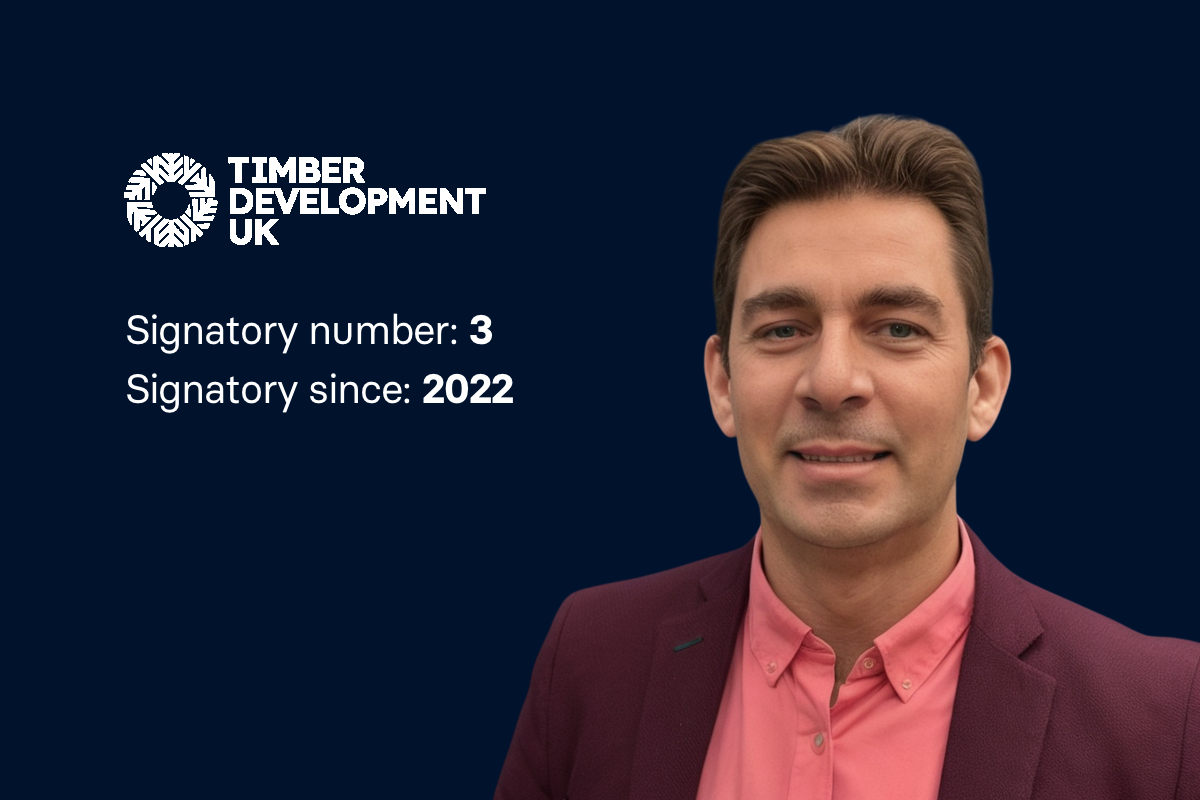
Timber Development UK: Accountability Across the Industry
While consultancies influence individual projects, Timber Development UK operates at the sector level.
The organisation represents the UK timber supply chain, from sawmills and manufacturers to architects and contractors. Its work promotes responsible sourcing, certification schemes and best practice in timber construction.
As environmental claims have increased across the construction sector, so has the need for credible information.
“We wanted to ensure any claims we made were backed by robust data and a structured process,” says Charlie Law, Sustainability Director.
Joining the Anti Greenwash Charter helped formalise that approach. Timber Development UK strengthened internal review procedures and introduced training to ensure sustainability claims are properly verified before publication.
“Being part of the Charter gives our team greater confidence in what we say,” Charlie explains.
A Professional Standard
These organisations differ in scale and role. One designs structures. Another advises on engineering globally. The third represents an entire supply chain.
What connects them is a shared recognition that sustainability communication now requires the same discipline as sustainability itself.
In the built environment, environmental claims influence design decisions, procurement choices and public understanding. When those claims are precise and evidence based, they support trust across the sector.
For a growing number of organisations, that trust is something that must be engineered as carefully as the buildings themselves.
Sustainability Communications with Confidence
If your organisation wants to protect its reputation, reduce greenwashing risk, and communicate sustainability with confidence, we’d love you to join us.
📢 Become a signatory of The Anti-Greenwash Charter.
Shape the future of responsible communication and show stakeholders what honest, trusted sustainability leadership looks like.