
How Patagonia’s Progress Report Acts Like a Green Claims Policy.
A simple guide to clearer, more trustworthy impact reporting
Date: November 2025
Read time: 3 mins
Author: TAGC
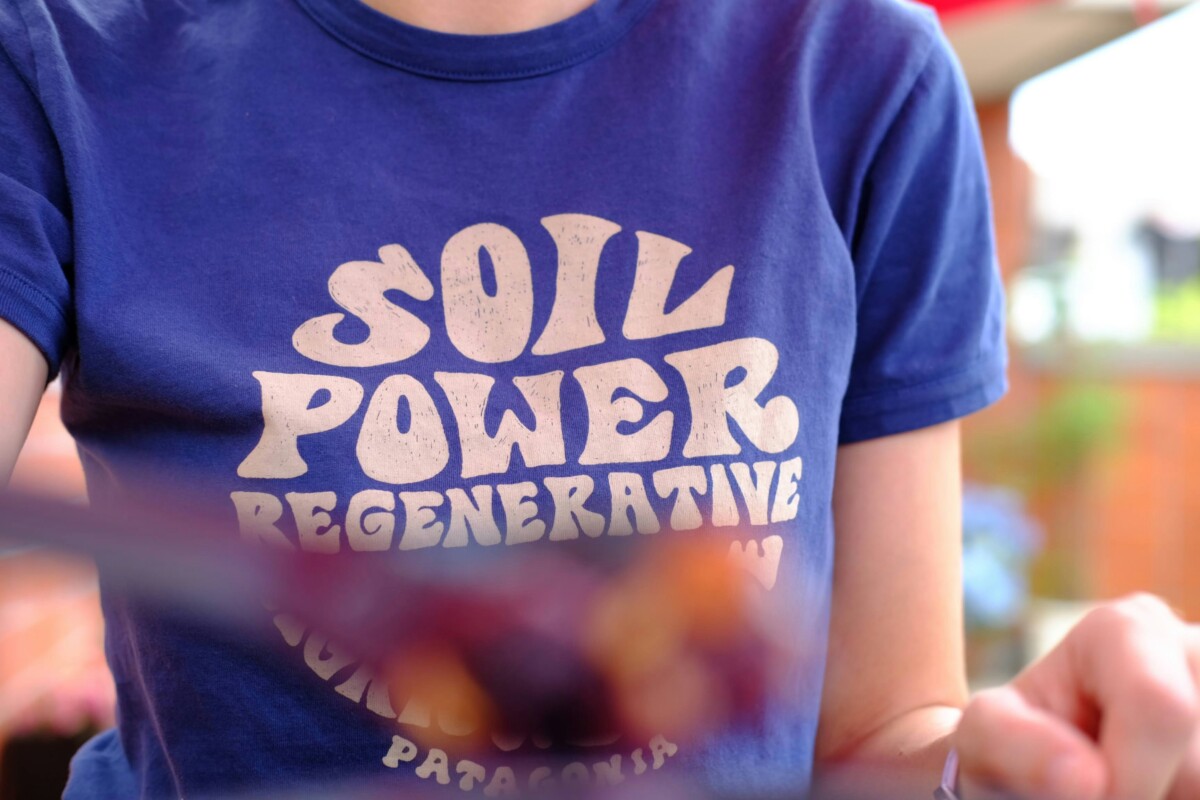
Patagonia opens its 2025 Work in Progress Report with a simple but striking line: “Nothing we do is sustainable.”
It sets the tone for everything that follows. Instead of trying to position itself as perfect, Patagonia explains the real impact of its business and the work still ahead. This approach is not just a style choice. It looks and feels like the behaviour a strong green claims policy is designed to create.
Even though Patagonia never calls it a policy, its progress report reads like an organisation already following one.
Why this matters: the gap between greenwash and greenhush
Most organisations are stuck between two pressures. Talk too confidently about sustainability and risk exaggerating. Stay quiet to avoid mistakes and risk hiding important information.
Patagonia chooses honesty instead. Early in the report it states that every product takes resources from the planet, and that its purpose and its impact are always in tension.
This is exactly where a green claims policy starts: with truth, and context.
The behaviours that resemble a green claims policy
Patagonia’s report shows many of the same traits that The Anti-Greenwash Charter defines as responsible sustainability communication.
Real transparency
Patagonia shares progress and setbacks with the same level of openness. For example:
-
Its emissions rose by 2 percent due to the materials used in FY25.
-
Only 6 percent of its synthetic fabrics come from secondary waste, far short of its 50 percent goal.
-
Only 39 percent of factories in scope currently pay a living wage.
Many companies hide numbers like these. Patagonia publishes them clearly. This is what a real green claims policy demands.
Clear definitions and evidence
Patagonia explains how it measures impact and where the data comes from. It completes a full double materiality assessment following CSRD guidance. It lists the third-party audit bodies it works with, from the Fair Labor Association to the Science Based Targets initiative.
A good green claims policy requires exactly this kind of clarity.
Balanced and fair storytelling
Patagonia avoids self-congratulation and focuses on truth. It explains that “carbon neutrality” was not meaningful enough, so the company stopped using it and shifted to a tougher net-zero pathway. It also describes the nearly 20-year journey to remove PFAS from its products and why it took so long.
A good green claims policy avoids selective storytelling. Patagonia models that behaviour.
Simple and honest language
The report uses plain words like “messy”, “painful”, “wipeouts”, “damage” and “still learning”. This makes the claims easier to understand and harder to misinterpret.
This is the foundation of honest communication.
A clear journey that matches how a green claims policy works
The structure of Patagonia’s report mirrors the journey that responsible sustainability communication should follow.
Admitting uncertainty
“We do not have all the answers” appears early in the document. Many organisations would avoid a statement like this. A good green claims policy encourages it.
Giving context and clarity
Patagonia explains its methods, boundaries and limits. Readers can see how decisions were made and what assumptions were used.
Building trust through openness
Because the company shares challenges as well as achievements, the reader develops trust through transparency, not through slogans.
Backing communication with governance
Patagonia’s ownership structure places “Earth as our only shareholder”. This is not marketing. It is a legal structure that supports the company’s claims.
A green claims policy is strongest when it connects communication to governance. Patagonia demonstrates this link clearly.

So is Patagonia’s progress report a green claims policy in action
In practical terms, yes.
On paper, it is not a formal policy. But the behaviours are the same as those required by a strong green claims approach:
-
No exaggerated claims
-
Evidence for every statement
-
Clear limits and boundaries
-
Balanced reporting
-
Simple language
-
Honest context
-
Third-party verification
-
Clear ownership of impact
Patagonia’s report shows that transparent sustainability communication is possible when there is willingness, discipline and a clear sense of purpose.
What other organisations can learn
Here are the key lessons from Patagonia’s approach:
Start by naming the truth
“Nothing we do is sustainable” removes the pressure to pretend and creates space for real action.
Focus on the context, not the slogans
Patagonia explains the decisions behind the claims. This gives the claims weight.
Share the full picture
Greenwash thrives when companies hide the difficult parts. Patagonia shows the whole story.
Don’t wait for perfect data
The report is honest about what is still incomplete. A good green claims policy supports this kind of honesty.
Align the message with the business
Patagonia’s ownership model strengthens the credibility of its sustainability work. This is rare and powerful.
Closing thought
Patagonia’s progress report is not perfect. It was never meant to be. But it shows what responsible sustainability communication looks like when a company commits to honesty, clarity and accountability.
It is not just a report. It is a practical example of how a green claims policy works when it is treated as a mindset, not simply a document.
Be Recognised for Responsible Marketing and Communications
👉 Become a signatory of The Anti-Greenwash Charter.
Shape the future of responsible communication and show stakeholders what trusted sustainability leadership looks like.