
Naked Paper Becomes the First B Corp Subscription Consumer Brand to Sign the Charter
As scrutiny of green claims intensifies, Naked Paper becomes the first B Corp subscription consumer brand to sign The Anti-Greenwash Charter, setting a new benchmark for transparency in the consumer sector.
Date: May 2026
Read time: 4 mins
Author: AGC
Trust in sustainability claims is at a turning point.
Consumers are paying closer attention, regulators are tightening their guidance, and brands that cannot evidence their environmental credentials are increasingly exposed.
Against that backdrop, the standards we hold ourselves to as businesses matter more than ever.
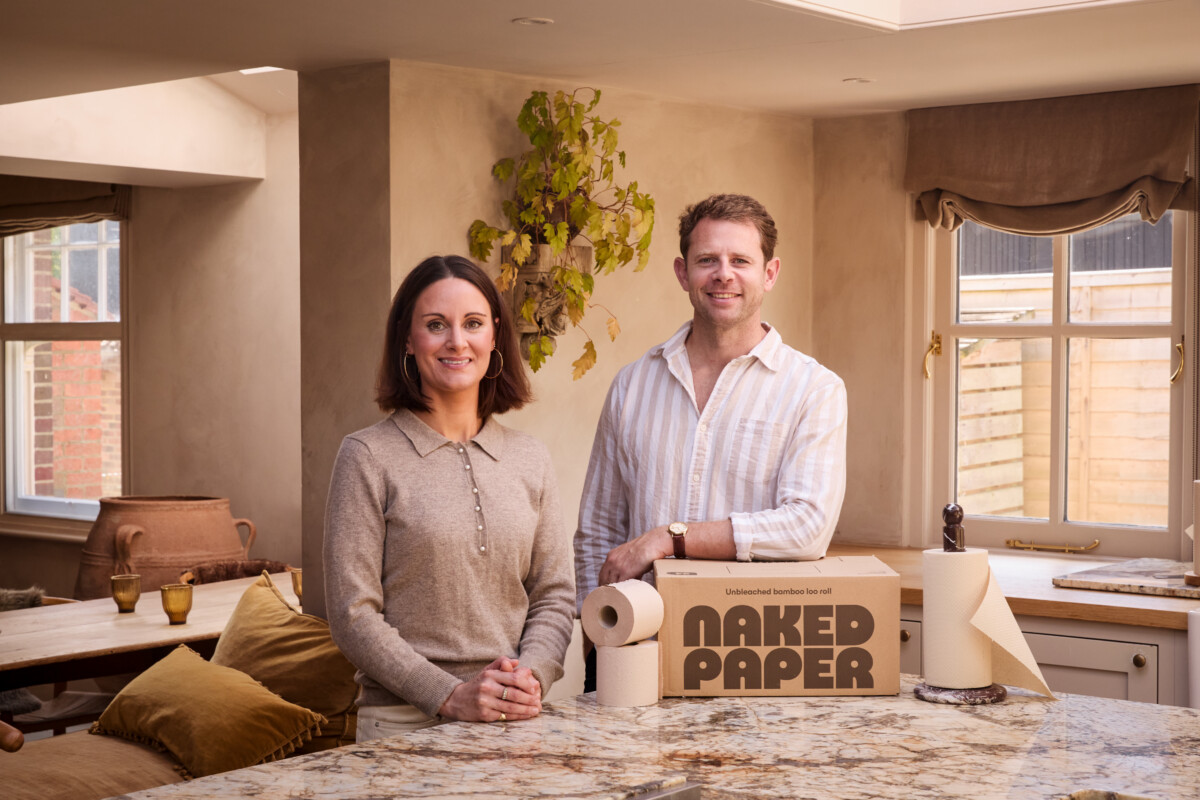
That is why we are proud to welcome Naked Paper as the latest signatory of The Anti-Greenwash Charter. A certified B Corp and a growing challenger brand in the UK household goods sector, Naked Paper is the first subscription-based consumer brand of its kind to make this commitment, a meaningful signal for an entire sector that has long operated in the spotlight of public scrutiny.
Why consumer brands face a higher bar
In most industries, sustainability claims are made periodically, through reports, campaigns or product launches. For subscription consumer brands, the relationship is different.
Every delivery, every piece of packaging, every email and every website visit is an opportunity to make or break the trust a customer places in your brand.
Naked Paper operates in a category where environmental impact is central to its identity. It manufactures without fossil fuels, focuses on reducing unnecessary packaging and processing, and communicates its environmental impact directly to customers. Those are meaningful commitments. B Corp certification already requires businesses to meet rigorous standards of social and environmental performance, accountability and transparency.
But in a market where greenwashing is widespread and consumer scepticism remains high, even well-credentialled brands must go further to ensure their communications are as robust as their practices.
Layered accountability: why certification alone is not enough
B Corp status is one of the most recognised marks of business integrity available. It sets a high bar.
But certification frameworks and sector-specific communications standards serve different purposes, and the most credible organisations recognise the value of both.
Signing The Anti-Greenwash Charter adds a further layer of scrutiny specifically focused on how sustainability claims are made, evidenced and governed in day-to-day communications. For a subscription brand in constant dialogue with its customers, that distinction matters. The question is not only whether a business is operating responsibly, but whether the way it talks about that responsibility is clear, fair and honest.
What signing the Charter means in practice
Becoming a signatory is not a box-ticking exercise.
It requires businesses to demonstrate that their sustainability communications are governed by clear processes, evidenced honestly and reviewed consistently over time.
For Naked Paper, that has meant building on the robust processes already in place to further align with the Charter’s specific requirements. On joining, the business has conducted a full review of its content to ensure continued alignment with the Competition and Markets Authority’s Green Claims Code. It has enhanced its website’s green credentials page, publishing a clear governance process and a formal Green Claims Policy. Internal training has been delivered to deepen staff understanding of greenwashing risks and responsible communications. And the business has committed to independent assessments of how its green claims policy is implemented in practice.
These are not small steps. They represent a shift in how sustainability is approached internally, treating it as a discipline with real governance behind it rather than a marketing message.
Voices from the Charter and the brand
Charlie, CEO of The Anti-Greenwash Charter, reflected on what makes Naked Paper’s commitment stand out:
“What is notable about Naked Paper’s approach is the emphasis on implementation. Not just what is communicated, but how claims are reviewed, governed and embedded internally. Consumer subscription brands are in constant dialogue with their customers. That creates both a responsibility and an opportunity to build trust through clear, accountable communication. Naked Paper’s commitment is a strong example of how this can be done in practice.”
Tom, Co-Founder of Naked Paper, was equally clear about why the decision was made:
“It’s unfortunately all too common to see corporate sustainability claims made without a shred of evidence. By signing The Anti-Greenwash Charter, we are committing to a reliable framework backed by third-party scrutiny. Beyond holding ourselves accountable, we’d love to see more consistency across the consumer subscription sector. We hope to see other brands step up and join us in signing the Charter to set a new standard for transparency.”
A signal to the wider sector
Naked Paper’s decision carries significance beyond the brand itself. For B Corps and other certified businesses operating in the subscription consumer space, it makes a clear point: strong values and recognised credentials are a foundation, not a finish line. As regulatory scrutiny increases and public awareness of greenwashing grows, the businesses that invest in honest, accountable communication will be better positioned to protect customer trust and to compete on it.
Together, we can take a stand against greenwashing and combat its harmful effects on the development of a truly sustainable future. Naked Paper has shown that it is possible to lead from within a category, not just follow from behind.
If your business is ready to make the same commitment, we would love to hear from you.
Sustainability Communications with Confidence
If your organisation wants to protect its reputation, reduce greenwashing risk, and communicate sustainability with confidence, we’d love you to join us.
📢 Become a signatory of The Anti-Greenwash Charter.
Shape the future of responsible communication and show stakeholders what honest, trusted sustainability leadership looks like.