
What Signatory Status Really Means and Why It Builds Trust.
A closer look at what signatory status represents in practice, how organisations put the Charter’s standards into action, and why it strengthens trust across every stakeholder relationship.
Date: December 2025
Read time: 5 mins
Author: TAGC
Signatory status is a clear signal that an organisation communicates about sustainability in an honest, responsible and transparent way. It shows that claims have been reviewed, supported with evidence, and aligned with recognised standards of good practice.
It is not just a label. Signatory status reflects a genuine commitment to integrity and a willingness to communicate with clarity and accountability.
As Charlie Martin, Founder of The Anti-Greenwash Charter, explains:
“Becoming a signatory isn’t about saying you are perfect. It’s about showing that you welcome scrutiny and that you want to communicate with integrity.”
A Commitment to High Standards
Signatory status means an organisation has chosen to adopt the Charter’s four core standards:
-
Transparency: being open about progress, challenges and evidence.
-
Accountability: taking responsibility for the claims it makes.
-
Fairness: presenting information in a balanced and accurate way.
-
Honesty: avoiding exaggeration or misleading language.
These principles guide how an organisation communicates and how it evaluates the sustainability information it shares. The result is not only more credible communication, but also clearer internal processes and greater confidence among teams.
Below are real examples from current signatories and how these standards have shaped their communication.
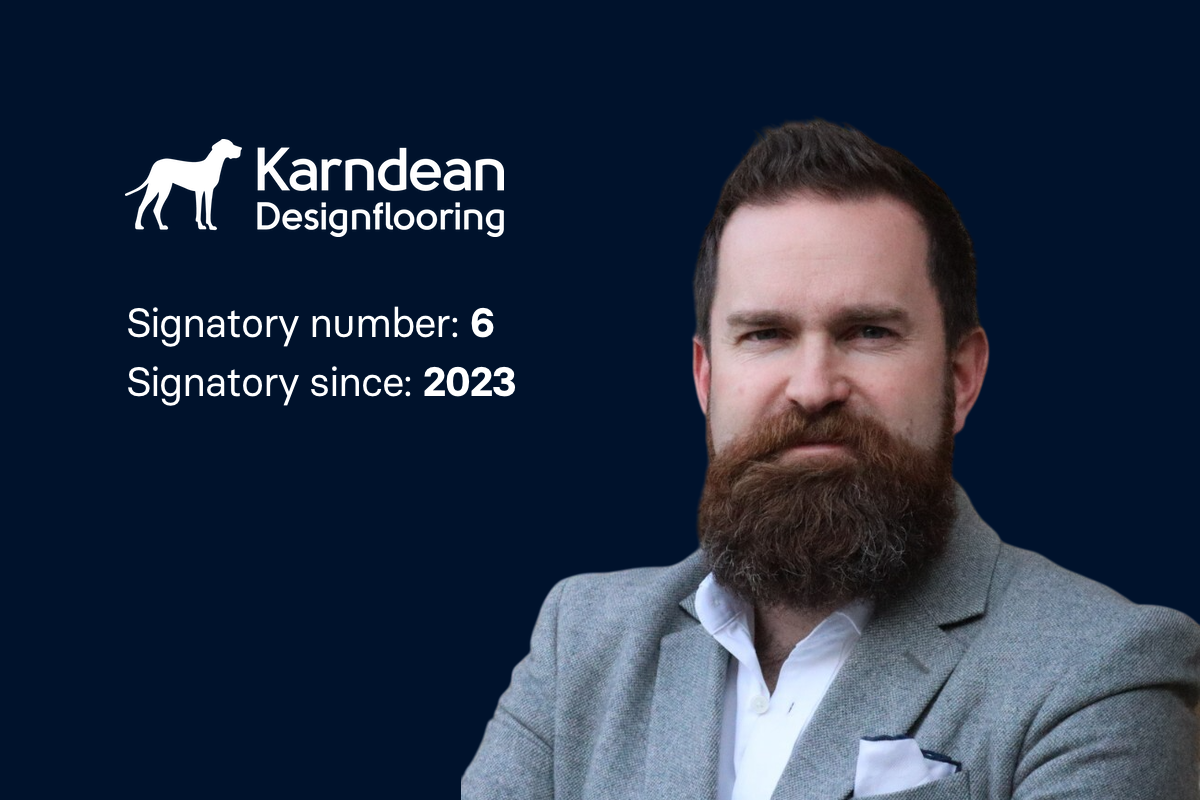
Case Study: Karndean Designflooring
Why they joined
Karndean is a global flooring manufacturer. Sustainability is increasingly central to their strategy, and the business wanted an independent benchmark to ensure that their sustainability messaging is accurate, consistent and evidence-led across all regions.
Karndean explained their decision to join with a simple statement:
“You can trust that claims about Karndean products and operations are fair, accurate and substantiated.”
What changed
-
The business developed a Green Claims Policy to guide every region.
-
Sustainability language on websites and marketing materials was reviewed and strengthened.
-
Teams now follow a shared process for checking and approving claims.
Impact
Customers, retailers, investors and partners can rely on the consistency of Karndean’s claims, no matter the market. For the business, the Charter provides confidence that sustainability communication supports both trust and long-term reputation.

Case Study: Edward Bulmer Natural Paint
Why they joined
The natural paint market is crowded with vague terms like “eco friendly” and “non toxic”. Edward Bulmer Natural Paint wanted a clear, evidence-based way to communicate the true environmental profile of its products.
As the company explained:
“We were up against powerful incumbents with big budgets making vague claims. The Charter helped us benchmark our instinct for honesty and transparency.”
What changed
-
The company created a formal Green Claims Policy.
-
Ingredient lists and impact information are published in full.
-
A dedicated sustainability lead was appointed to support evidence collection.
Impact
Customers gain clarity about what the paint is made of and how its impacts are measured. Retailers find it easier to understand the substance behind the brand’s messaging. Internally, the Charter helped embed a stronger culture of rigour and transparency.
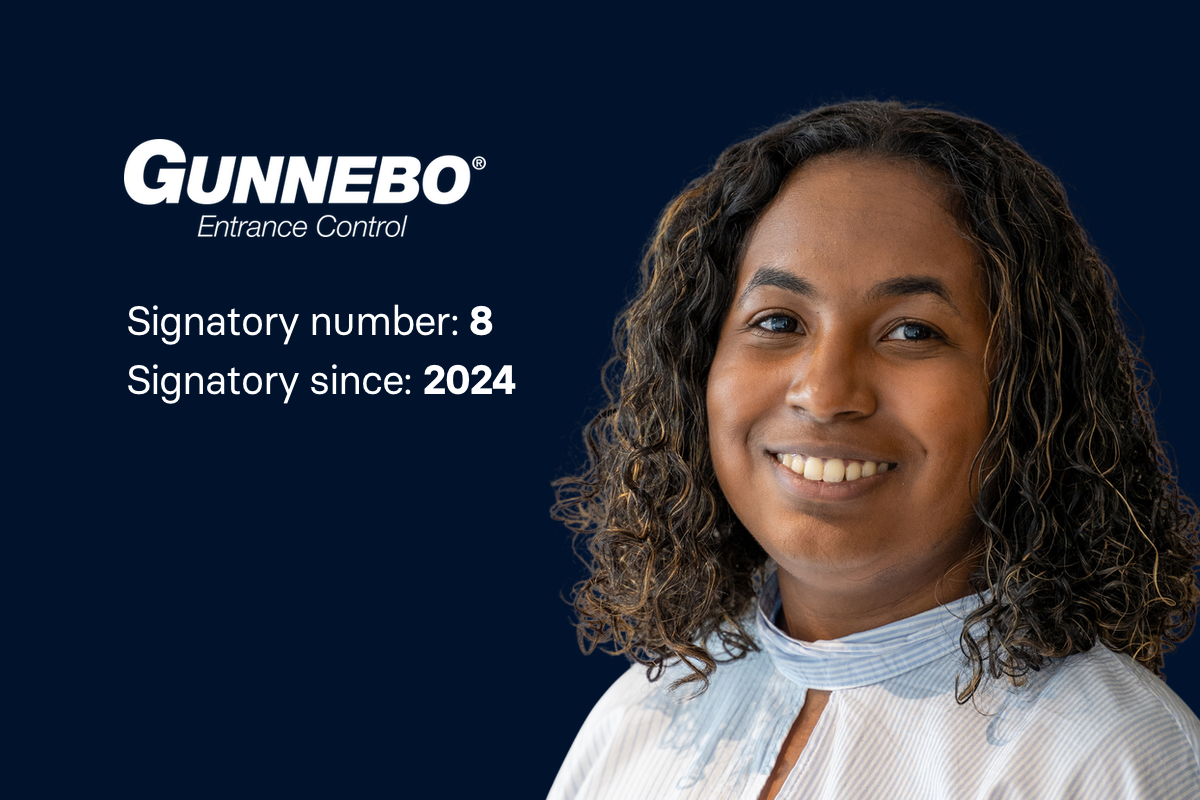
Case Study: Gunnebo Entrance Control
Why they joined
Gunnebo Entrance Control (GEC) manufactures entrance security systems. Sustainability is not the core product offering, which meant communication sometimes erred on the side of vagueness or silence. The Charter provided a clear framework to communicate environmental impact with confidence.
GEC’s Global Sustainability Officer explained the shift:
“We are a safety-first brand. But that has to include safety for people and for the planet.”
What changed
-
A structured content approval process was introduced.
-
Marketing moved away from generic messaging and towards specific, substantiated information.
Impact
Gunnebo now communicates even more responsibly. Teams feel more confident discussing sustainability publicly, and stakeholders have a clearer view of the company’s real progress.
What Signatory Status Means for Stakeholders
The value of signatory status can be seen across all audiences.
Customers
Clearer, more reliable information that supports informed decision making.
Investors and partners
Confidence that sustainability claims are evidence-led and backed by a responsible governance process.
Employees
Reassurance that the organisation’s public commitments are matched by internal intent and action.
Suppliers and contractors
A signal that responsible practice matters throughout the value chain.
Civil society and NGOs
A visible commitment to openness and credible communication.
As Charlie puts it:
“Signatory status gives every audience a reason to trust what they are reading. It closes the gap between intention and perception.”
A Visible Mark of Integrity
Each signatory receives a numbered logo. . It represents responsible practice and a willingness to communicate honestly.
As Edward Bulmer notes:
“Our customers can click the Charter logo on our site and know exactly what we stand for.”
The logo helps people understand what an organisation is genuinely doing. It supports a clearer, more trustworthy landscape for sustainability communication.
Why Signatory Status Matters
For organisations, becoming a signatory is a conscious choice to build long-term trust with all stakeholders.
For stakeholders, it provides confidence that what they are reading is clear, honest and grounded in evidence.
Across every signatory story, the pattern is the same: responsible communication leads to stronger trust, more confident teams and a more credible voice. In a challenging communications landscape, that clarity has real value.
Sustainability Communications with Confidence
If your organisation wants to protect its reputation, reduce greenwashing risk, and communicate sustainability with confidence, we’d love you to join us.
📢 Become a signatory of The Anti-Greenwash Charter.
Shape the future of responsible communication and show stakeholders what honest, trusted sustainability leadership looks like.