
Why Australia’s Built Environment Is Rethinking Sustainability Communication.
A new industry report warns that developers, architects and manufacturers face a growing dilemma: say too much and risk greenwashing, say too little and risk losing trust.
Date: March 2026
Read time: 5 mins
Author: AGC
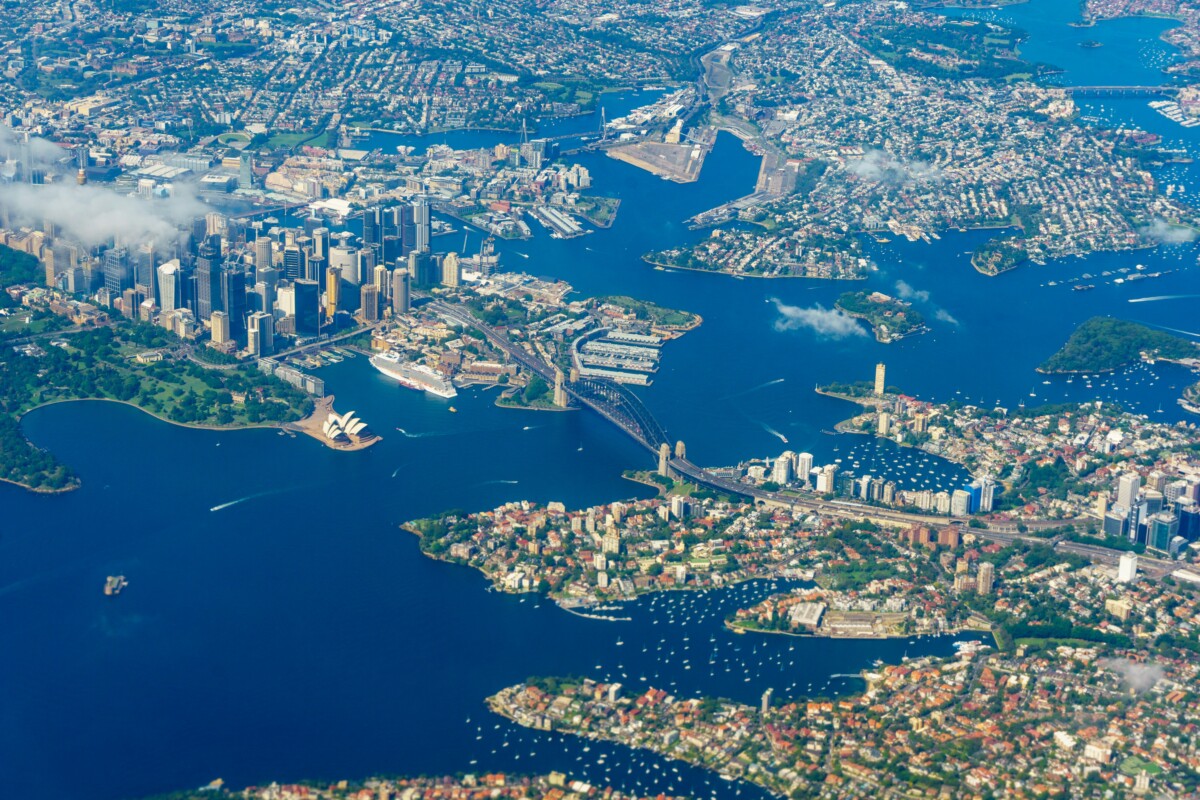
Now it faces a new challenge: how to talk about sustainability without getting it wrong.
A new report, Australian Built Environment Communications Report: Navigating Sustainability Claims in an Era of Scrutiny, argues that the sector is entering a new phase where sustainability communication has become both essential and risky. As regulatory scrutiny intensifies and stakeholder expectations grow, organisations are finding themselves caught between two uncomfortable choices. They can exaggerate progress and risk accusations of greenwashing, or stay silent and risk accusations of greenhushing.
The report, produced following an industry roundtable with sustainability, legal, marketing and development leaders, paints a picture of a sector struggling to balance ambition with defensibility.
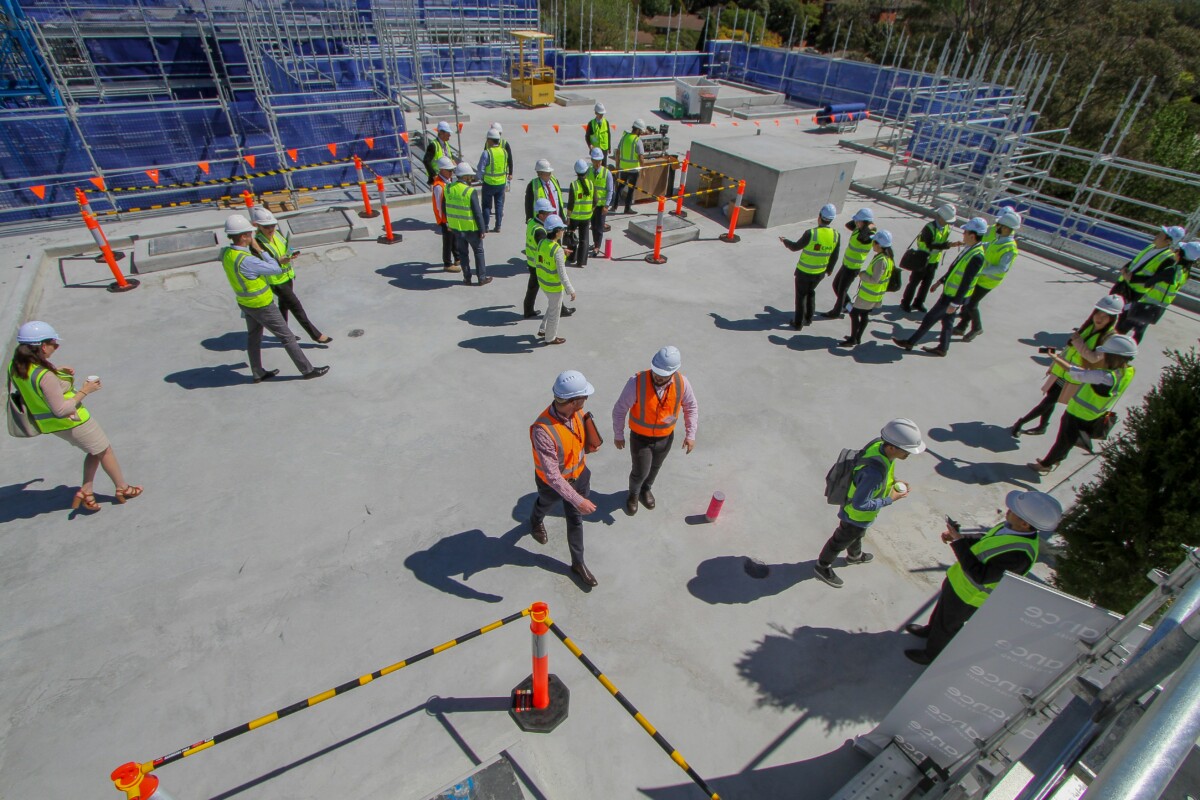
A sector under scrutiny
Across Australia, regulators have begun taking a tougher stance on environmental claims. Corporate sustainability messaging, once largely treated as aspirational branding, is now being examined through the lens of consumer protection and investor transparency.
For organisations in the built environment, that shift is particularly significant.
Buildings are responsible for a substantial share of global emissions, and the sector has been quick to adopt the language of net zero, low carbon materials and sustainable design.
But communicating these commitments, the report argues, is far from straightforward.
Sustainability claims often rely on complex modelling, projected performance, or supply chain data that may not yet be fully verified. A development might promise lower operational emissions or reduced embodied carbon, but the final outcome can depend on design revisions, contractor decisions, tenant behaviour or evolving measurement methods.
That complexity, the report suggests, creates fertile ground for misunderstandings, or overly simplified claims that risk being misleading.
The ambition versus defensibility dilemma
One of the report’s most striking conclusions is that sustainability communication now sits at the intersection of marketing, legal compliance and technical performance.
Organisations want to demonstrate leadership, but the evidence required to substantiate those claims is becoming more demanding. As a result, many companies are navigating what the report describes as an ambition versus defensibility paradox. There is pressure to communicate bold sustainability goals while ensuring every statement can withstand scrutiny.
The result, according to industry participants, is often internal tension. Sustainability teams want to share progress and drive change. Marketing teams want clear messaging. Legal teams are increasingly cautious about what can safely be said.
In some cases, the safest option becomes saying very little.
That phenomenon, known as greenhushing, has become a growing concern globally. The report argues that while excessive caution may reduce regulatory risk, it also limits transparency and makes it harder for stakeholders to identify genuine sustainability leaders.

Why the built environment is uniquely exposed
While greenwashing concerns affect many industries, the report suggests the built environment faces particular challenges.
Construction and development rely on long supply chains, complex procurement processes and evolving technical standards. Sustainability claims often involve data from multiple organisations, from material manufacturers to engineering consultants.
Even concepts that are widely discussed in the industry, such as embodied carbon, remain difficult to communicate clearly to non specialist audiences.
Measuring and comparing carbon impacts requires sophisticated lifecycle analysis and assumptions about baselines, which can vary significantly between projects.
Certification schemes such as Green Star and NABERS provide useful signals, but they do not always tell the full story. A design certification, for example, may reflect a building’s intended performance rather than its operational reality.
As the report notes, this gap between design intent and actual outcomes can make sustainability messaging particularly sensitive.
The internal governance challenge
Another theme running through the report is that sustainability communication is rarely owned by a single team.
Claims about environmental performance often pass through multiple departments before they reach the public.
Sustainability specialists, engineers, communications teams, executives and legal advisors all play a role. Each brings a different perspective and risk tolerance.
Without clear governance structures, the report argues, organisations can struggle to maintain consistency between technical evidence and public messaging.
In practice, this can lead to gaps between what project teams know and what marketing materials say, or to cautious messaging that strips out useful context altogether.
The report suggests that stronger internal processes, including evidence libraries, claim inventories and structured approval systems, could help organisations manage that complexity.

Sustainability Communications with Confidence
If your organisation wants to protect its reputation, reduce greenwashing risk, and communicate sustainability with confidence, we’d love you to join us.
📢 Become a signatory of The Anti-Greenwash Charter.
Shape the future of responsible communication and show stakeholders what honest, trusted sustainability leadership looks like.