The Age of Unfiltered Everything: What Happens When Anyone Can Say Anything?
A world where anyone can say anything has created confusion, weakened trust and left sustainability communication struggling to stay honest, clear and understood.
Date: November 2025
Read time: 3 mins
Author: TAGC
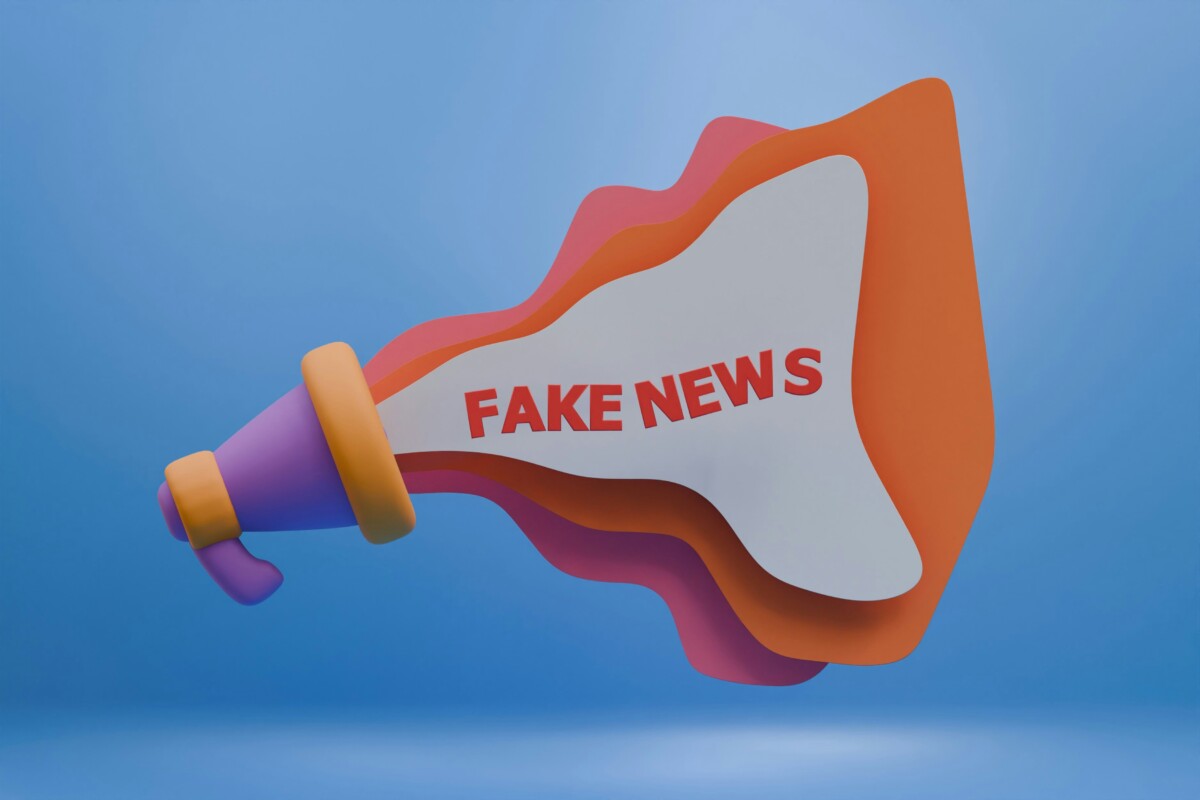
Not long ago, most information passed through some kind of filter. Editors, producers and experts shaped what reached the public. It was far from perfect, but there was structure. Today, that structure has almost disappeared.
We now live in what many call the Age of Unfiltered Everything. Anyone can publish a post, create a video, or make a claim that reaches millions within hours. Some of this is empowering. Some of it is deeply confusing. And all of it has changed how people understand the world around them.
“It didn’t happen overnight,” says Charlie Martin, CEO and Founder of The Anti-Greenwash Charter.
“But over time, we saw communication speeding up and slowing down our ability to understand things. It became louder, faster, and harder to trust.”
This shift has affected many areas of society. But one of the most vulnerable is sustainability.
The Feed Has Become the Frontline
The last decade gives us plenty of examples of how quickly information can spread and how easy it is for stories to travel without being checked.
Consider a few moments that defined this era:
-
The Fyre Festival, marketed through glossy influencer videos, sold an experience that never existed.
-
Deepfake videos and AI-generated images now circulate widely, making it harder to tell what is real.
-
During the early days of COVID-19, false health information travelled faster than official guidance.
-
Elections in several countries were shaped by misinformation and targeted online campaigns.
The pattern is clear. The systems that spread information have outpaced the systems that check it.
“When the reward is attention, not accuracy, the loudest story wins,” Charlie says.
Why Sustainability Is Caught in the Crossfire
Sustainability communication is complicated. It involves science, long-term goals and constant change. That makes it vulnerable in a world that prefers quick stories.
Recent examples show how easily things can go wrong:
-
Several major fashion brands have been investigated by the UK’s Competition and Markets Authority for unclear or exaggerated claims about recycled or sustainable products.
-
Advertising regulators in Europe and elsewhere have challenged energy companies for presenting renewable efforts in ways that did not reflect the full picture.
-
The Volkswagen emissions case in 2015 raised questions about how technical claims are communicated and verified.
These incidents damaged trust far beyond the companies involved. They shaped how the public views sustainability claims as a whole.
“Even responsible teams felt the impact,” Charlie says.
“When trust drops in one place, it drops everywhere.”
When Fear Leads to Silence
As scrutiny increased, something unexpected happened. Many organisations became more cautious about communicating anything at all.
A 2023 analysis by South Pole found that more than half of surveyed companies were holding back on sustainability communication. They were afraid of making mistakes, being misinterpreted or being accused of overstating their progress.
This behaviour has become known as greenhushing.
“Most of the people staying quiet had nothing to hide,” Charlie explains.
“They were simply unsure how to speak clearly and confidently in a very unpredictable environment.”
Silence creates its own problems. It hides progress. It confuses stakeholders. And it makes it harder for the public to see what good practice looks like.
Why Something Had to Change
Regulation has started to catch up. The EU’s Green Claims Directive and tightening advertising standards across the world show this clearly. But regulation alone cannot rebuild trust. Many organisations need help interpreting the rules, communicating clearly and making sure their message is fair and accurate.
“That’s why we created The Anti-Greenwash Charter,” Charlie says.
“We wanted to offer a clear, independent standard that supports organisations, not scares them. A standard people can rely on when they want to get communication right.”
The Charter is built on four simple standards: transparency, accountability, fairness and honesty. They act as a guideline for communication that is credible, balanced and easy to understand.
“It’s there to help people feel confident again,” Charlie adds. “And confidence is the foundation of trust.”
What a Better Future Could Look Like
If the last decade shows us what happens when communication becomes chaotic, the next decade could show us what happens when clarity returns.
Imagine a future where sustainability claims are presented in a way anyone can understand. Where companies feel able to share their progress openly. Where audiences trust what they hear because the evidence is clear and consistent.
“A trusted communication landscape is possible,” Charlie says.
“We just need shared standards and a commitment to being open about both progress and limitations.”
In the Age of Unfiltered Everything, the biggest challenge is not speaking louder. It is speaking clearly. Trust has become rare, and that makes it valuable. The organisations that earn it will be the ones who choose truth over noise.
And that is why something had to be done.
Be Recognised for Responsible Marketing and Communications
👉 Become a signatory of The Anti-Greenwash Charter.
Shape the future of responsible communication and show stakeholders what trusted sustainability leadership looks like.