Responsible Communications as a Business Standard.
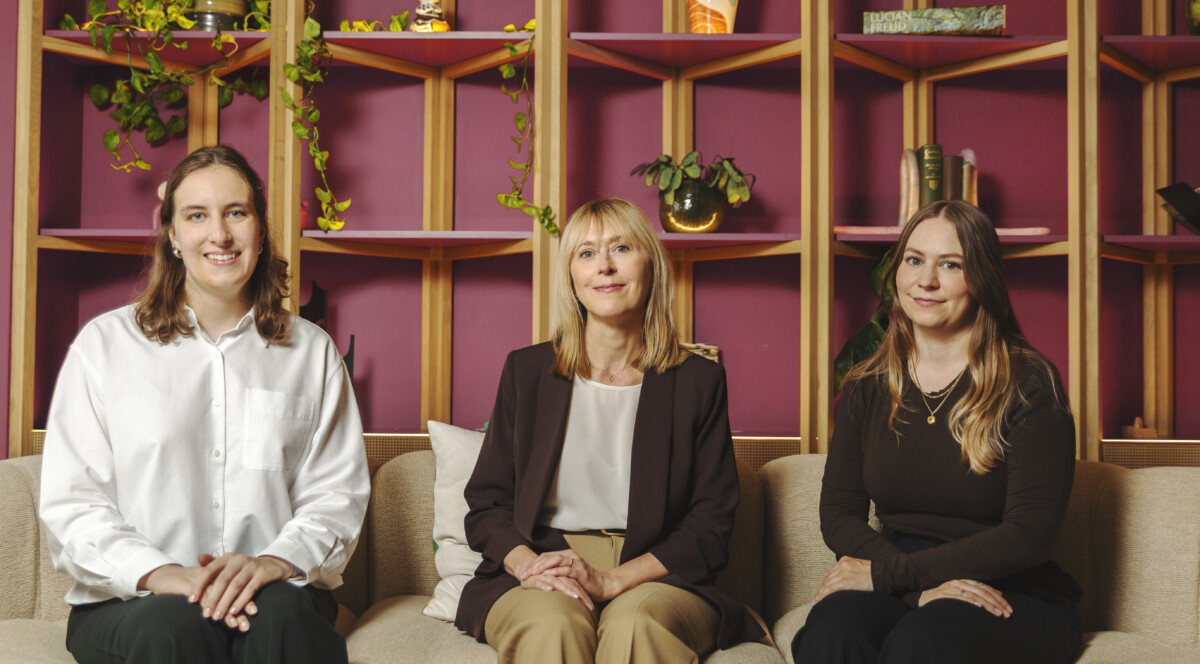
Debbie Larrad, founder of famille, on why signing The Anti-Greenwash Charter was the obvious next step for a purpose-driven agency, and what honest communications actually looks like in practice.
Signatory: famille
Signatory Number: 20
Sector: Consultancy
Signatory Since: 2026
👉 Green Claims Policy
Interviewee: Debbie Larrad

Connecting people, places and purpose
famille is a marketing and communications consultancy with a straightforward mission: connecting people, places and purpose. Founded by Debbie Larrad, the Cambridge-based agency works across placemaking, charities and community organisations.
Sustainability is not a bolt-on. It shapes how the agency operates and who it chooses to work with.
“We think about sustainability with a marketing lens,” says Debbie. “What impression does marketing leave on people, on communities, on citizens? How are we affecting that now and for future generations?”
That question extends to client selection. famille is deliberate about who it works with.
“If at the heart of it a product is damaging the planet for the future,” says Debbie, “then that’s where we have to draw the line.”
A barometer for responsible practice
Signing the Charter gave the agency something concrete: a documented framework the whole team could understand and use.
“We wanted to be as true and transparent as we could, and to have that as a good barometer for ourselves.”
It has also strengthened client conversations. Asking harder questions about sustainability claims is easier when there is a recognised standard behind the ask.
“It gives us more agency on the questions we ask and the information we ask for,” says Debbie. “We’ve got some backing behind that.”
When famille announced its signatory status to clients, the response was immediate. “They saw it as a natural step. They knew it aligned with our values.”
Responsible does not mean perfect
Perhaps the most important thing the process surfaced is this: committing to responsible communications is not a claim to get everything right. It is a commitment to keep improving.
“When we say we’re responsible communicators, that means we have the intent. It doesn’t mean we get everything right.”
Working through the Charter’s guidance has helped the team spot gaps they had not previously noticed. “It’s been brilliant to say, ‘We can be better.'”
That honesty, Debbie suggests, is itself part of what responsible communication looks like. Acknowledging where you are on the journey, rather than projecting a finished picture, is what builds lasting trust.
The long-term case for being trusted
For famille, signatory status is a strategic foundation, not just a credential. Purpose-driven organisations are asking harder questions of their agencies. Being able to show that communications are independently reviewed and held to a documented standard is increasingly the difference.
“Being trusted, that we can support our clients to be better and that they’re in good hands, is hugely important,” says Debbie.
“For our clients, our team, our recruitment and our own sustainability.”
The goal is simple: help clients communicate their sustainability journey honestly, including the parts still in progress.
“Through being a responsible communicator, we know we’re doing our bit for future generations.”
Be Recognised for Responsible Communication
Join The Anti-Greenwash Charter and position your organisation as a leader in responsible, transparent communications. Take the next step today and start your journey toward greater accountability and trust.