
Why Responsible Communicators Need To Act Now
The organisations doing things right have the most to gain from making it visible. But the implications go further than reputation. When enough good actors adopt a visible standard for responsible communications, it changes the rules for everyone.
Date: June 2026
Read time: 4 mins
Author: AGC
The problem is not just greenwashing
The more widespread problem in sustainability communications right now is not the organisations making things up. It is the organisations doing genuine work but communicating it poorly, inconsistently, or not at all.
Caught between the risk of overstating progress and the paralysis of saying nothing, many have defaulted to a kind of strategic silence.
Both approaches erode trust. And in a market where 88% of people agree that greenwashing damages trust, and 57% say they would cut ties with a supplier found guilty of it, the cost of getting communications wrong, in either direction, is measurable and growing.
What signing the Charter actually means
The Anti-Greenwash Charter exists to solve this. Not as a regulator, and not as a badge to display and forget. It is an independent framework built on four standards: transparency, accountability, fairness, and honesty. Becoming a certified signatory means your communications have been assessed, and your organisation has committed to maintaining the Charter’s standards over time.
The process is structured and specific. It begins with an initial assessment that includes a regulatory history check covering any upheld complaints from the ASA, CMA, or FCA in the past five years, a media and public perception review, and an evaluation of current communications practice. From there, prospective signatories audit content, train staff and develop a Green Claims Policy covering governance, standardised terminology, and the evidential requirements each claim must meet. Once approved, ongoing spot checks ensure communications remain aligned with both the policy and the Charter’s standards. Non-compliance must be resolved. Repeated failures result in suspension or revocation of signatory status.
That rigour is deliberate. It is also the point.
What it means in practice
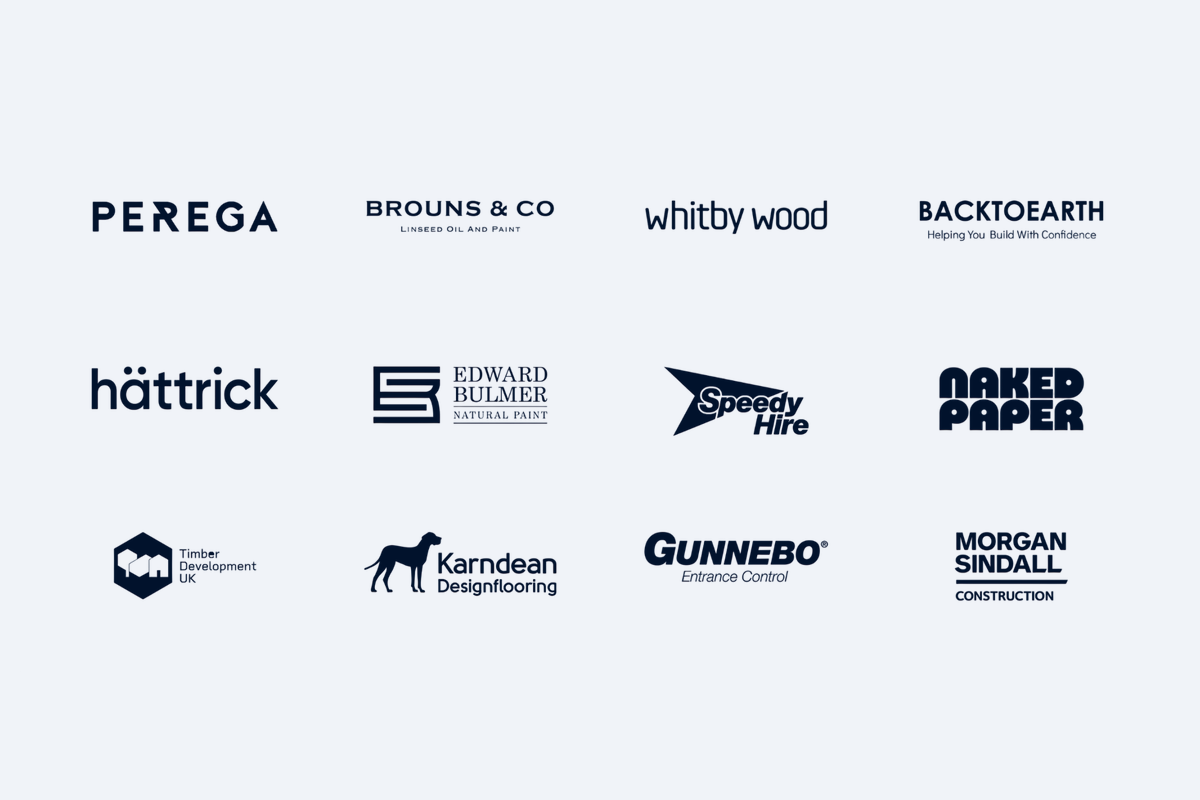
The range of organisations signing the Charter is itself significant. Naked Paper, a certified B Corp, became the first subscription consumer brand to sign in May 2026. As co-founder Tom Whelan put it: “It’s unfortunately all too common to see corporate sustainability claims made without a shred of evidence. By signing the Charter, we are committing to a reliable framework backed by third-party scrutiny.” B Corp certification already sets a high bar. Charter signatory status adds a further layer focused specifically on communications.
Other signatories report concrete outcomes too. Fleur Carson of Karndean Designflooring noted that “independent validation has strengthened our reputation and reassured both customers and colleagues.” Kelsey Parsons of Gunnebo Entrance Control described how the Charter helped their team “communicate with greater clarity and accountability, ensuring every claim is backed by evidence.” Timothy Clement of Morgan Sindall Construction said it “demonstrated to our stakeholders that we take integrity seriously.”
These are not reputational outcomes in the abstract. Signatory status provides customers with clearer, more reliable information. It gives investors stronger governance evidence and reduced regulatory risk. It gives employees confidence that public claims reflect internal values. And it supports partners and suppliers through procurement processes and RFP responses where evidence of responsible communication practice is increasingly expected.
The Charter’s own research shows that 72% of respondents are more likely to support brands with verifiable sustainability claims. Independent validation is not a nice-to-have. It is becoming a purchasing and procurement factor.
The bigger picture: what happens when good actors lead
This is where the argument becomes more interesting. The value of a growing community of certified signatories is not just the sum of individual reputational benefits. It is what that community does to the wider market.
When organisations that communicate responsibly become visibly recognisable, and when that recognition carries measurable commercial and reputational weight, it creates a new kind of pressure on those that do not.
Not a regulatory pressure, at least not yet, but something more immediate: a licence-to-operate pressure. Stakeholders, procurement teams, investors, and customers begin to expect the standard. Absence of it becomes a question that needs answering.
That pressure has a predictable effect. Organisations that want to meet the standard have to first communicate honestly about where they are. Not where they aspire to be. Not a curated version of their progress. Where they actually are.
And that honesty, uncomfortable as it may be, tends to surface the gaps. The areas where communications have been vague are often the areas where the underlying practice needs attention too.
Nobody wants to have to tell a less positive story. That instinct, channelled constructively, becomes a driver for operational improvement. Organisations that commit to transparent communication about their sustainability journey are, in effect, committing to close the gaps that transparency exposes. The communication standard and the operational standard pull each other forward.
This is how a voluntary standard changes a market. Not by naming and shaming, but by making visible what good looks like, and letting the logic of accountability do the rest.
The implication for those that do not engage
The regulatory environment is tightening in ways that make unsubstantiated claims an active liability. The EU’s Empowering Consumers Directive becomes binding from September 2026. In the UK, the Competition and Markets Authority can now fine organisations up to 10% of worldwide annual turnover for misleading claims. The number of greenwashing court cases more than doubled between 2017 and 2023.
Organisations without a documented Green Claims Policy, without evidence-based substantiation, and without independent oversight are not simply behind the curve. They are exposed. But the more significant pressure may not come from regulators at all. It may come from peers.
As the community of certified signatories grows, the standard they represent becomes the reference point against which others are measured.
The question shifts from “are you compliant?” to “can you demonstrate that your communications are honest?” That is a harder question to deflect.
Why we need the right organisations to sign
Since launching in 2022, the Charter has worked with certified signatories including Morgan Sindall Construction, Karndean Designflooring, Gunnebo Entrance Control, and Speedy Hire. The standard is growing. But its credibility depends on the quality of the organisations willing to be held to it.
If your communications are honest, your claims are substantiated, and your organisation is prepared to put that to an independent test, the Charter is where that commitment becomes visible, verifiable, and valued.
The organisations that act now will not simply be protecting their own reputation. They will be raising the bar for their entire market. And in doing so, they will be contributing to something more important than any individual signatory status: a communications environment where honesty about sustainability is the norm, not the exception.
Be Recognised for Responsible Marketing and Communications
👉 Become a signatory of The Anti-Greenwash Charter.
Shape the future of responsible communication and show stakeholders what trusted sustainability leadership looks like.