

Getting Sustainability Back on the Agenda: Why Trust and Governance Are the Business Case
Sustainability has not left the boardroom agenda so much as gone quiet within it, caught between two unspoken questions: will this pay, and will this expose us.
Date: July 2026
Read time: 3 mins
Author: AGC
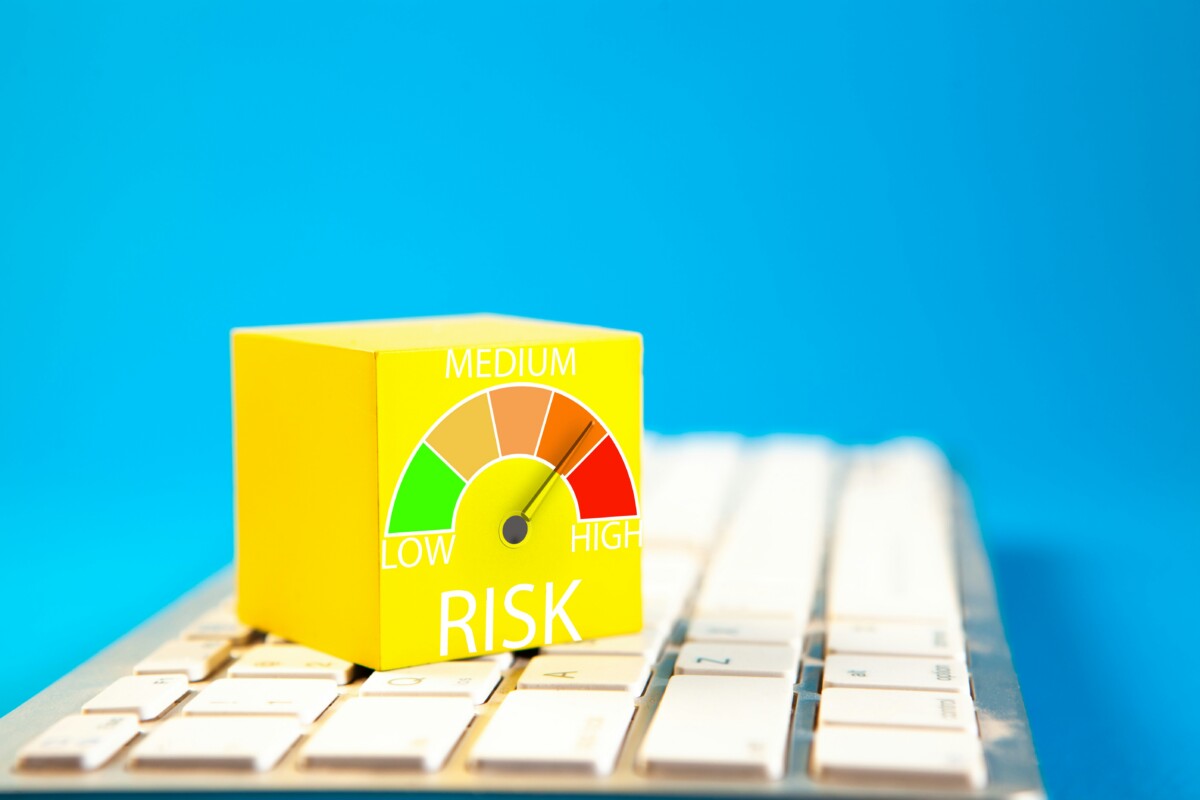
Sustainability has quietly slipped down the agenda in many comms and marketing functions. Not because the underlying issues have gone away, but because two anxieties have taken their place: will this deliver a return, and will this expose us to risk. Until both are addressed directly, sustainability communication stays sidelined, however strong the underlying story.
The way back onto the agenda isn’t a louder pitch.
It’s reframing the conversation around the two things leadership actually weighs up: trust and governance.
The Return Question: Reframe It as Trust, Not Reputation
When sustainability comms gets deprioritised on return grounds, it’s usually because “return” has been defined too narrowly, as a short-term reputational or sales uplift that’s hard to prove and easy to challenge.
Trust is a better frame, because trust compounds. Edelman’s Trust Barometer has consistently shown that trust in an organisation directly shapes willingness to buy, work for, and defend that organisation. Most sustainability messaging is now treated with suspicion, which is exactly why credible communication stands out. Done well, it’s one of the few ways left to build trust at scale.
That’s the opportunity, not the obstacle. Most sustainability messaging is treated with suspicion, so communication that’s visibly verified stands out simply by being different. The return isn’t a campaign metric. It’s something more durable: being believed, at a time when belief itself is in short supply.
For sustainability leads making the case internally, this means shifting the pitch from “here’s the story we want to tell” to “here’s the trust deficit we can close, and here’s the evidence that closing it pays.”
The Risk Question: Reframe It as Governance, Not Exposure
The second anxiety, risk, tends to surface as a fear of getting it wrong: greenwashing accusations, regulatory scrutiny, social media backlash. The instinctive response is to say less, a pattern increasingly known as greenhush. But silence carries its own risk. It cedes the narrative to competitors, regulators, and critics, and it does nothing to fix the underlying practice.
The more useful reframe is governance. Risk isn’t inherent to sustainability communication; it’s inherent to sustainability communication that hasn’t been through proper process. That’s a solvable, familiar problem for any comms or marketing function, because it’s the same discipline applied to financial claims, legal claims, or product claims: verify before you publish, evidence what you assert, and be able to show your working if challenged.
Framed this way, the conversation moves from “should we talk about this at all” to “what’s our process for making sure what we say is defensible.”
That’s a question governance and risk teams already know how to answer, which makes it far easier to get their support rather than their resistance.

Independent Standards Do Both Jobs at Once
This is where an independent framework earns its place in the conversation. A body like The Anti-Greenwash Charter isn’t a regulator and doesn’t claim authority it doesn’t have. What it offers is validation: an external, credible check that content has been through a proper process before it’s published.
That validation works on both anxieties simultaneously. On trust, third-party verification is more persuasive than self-declaration, because audiences no longer take organisations at their word on sustainability.
On governance, an external standard gives internal risk and legal teams a structured process to point to, rather than asking them to trust marketing’s judgement alone.
Making the Case Internally
For sustainability leads trying to get this back on the agenda, the practical shift is this: stop pitching sustainability communication as a values exercise, and start pitching it as infrastructure. Trust infrastructure, because it’s the mechanism by which credibility is built and retained. Governance infrastructure, because it’s the mechanism by which claims are protected and defensible.
Neither of those framings asks leadership to take a leap of faith.
Both ask them to invest in something with a recognisable shape: a process that reduces exposure while building an asset that compounds.
That’s a case return-focused and risk-focused stakeholders can both say yes to, often in the same meeting.
Be Recognised for Responsible Marketing and Communications
👉 Become a signatory of The Anti-Greenwash Charter.
Shape the future of responsible communication and show stakeholders what trusted sustainability leadership looks like.