
Trust Is the KPI That Kills Greenhushing.
Greenhushing is not a failure of intent but a failure of trust, and organisations that make trust the outcome of their sustainability communication are starting to replace silence with credible, confident transparency.
Date: March 2026
Read time: 5 mins
Author: AGC
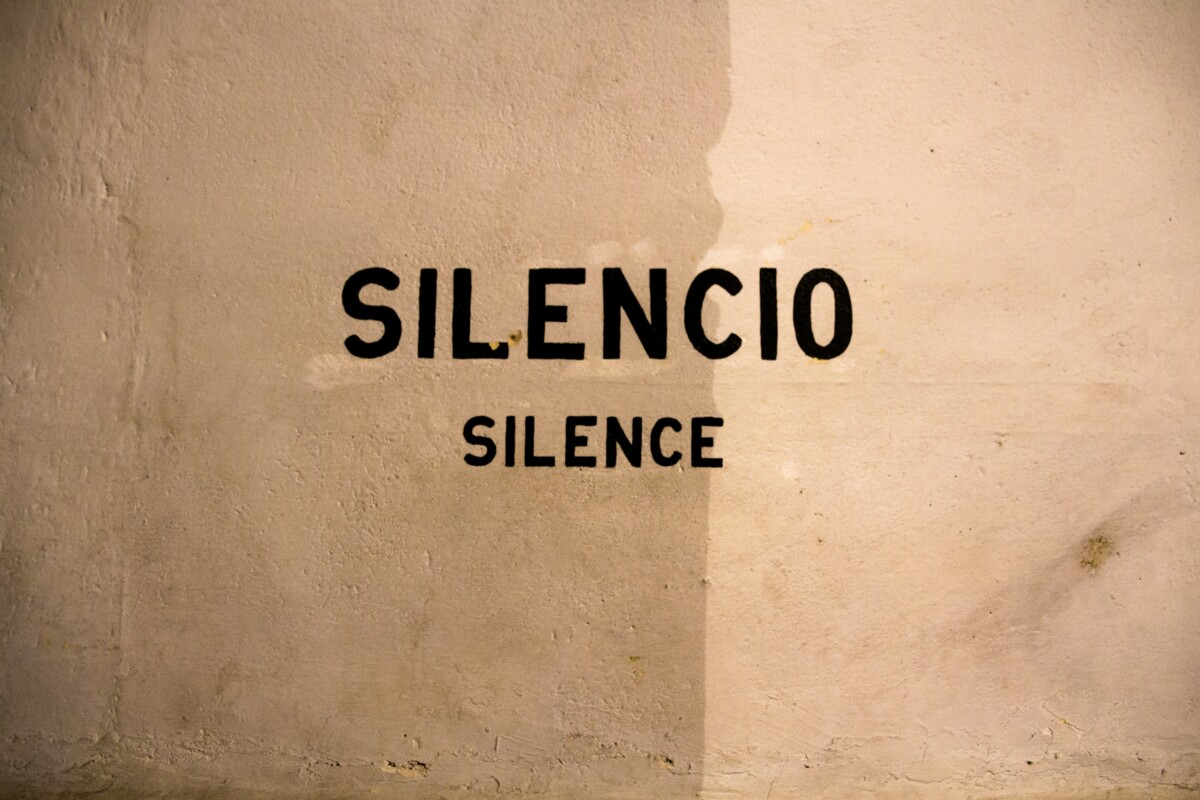
Most organisations are not greenhushing because they do not care about sustainability. They are greenhushing because they do not trust the system they are operating in.
- They do not trust that if they communicate progress, it will be understood in context.
- They do not trust that nuance will survive headlines.
- They do not trust that good intent will not be interpreted as overclaiming.
So they optimise for the safest possible outcome. They say less.
This is not a communications failure. It is a trust failure.
Until trust is treated as the core outcome, greenhushing will continue, regardless of how many frameworks or disclosure requirements are introduced.
The Real Risk Calculation Inside Organisations
Inside most organisations, sustainability communication follows a familiar pattern.
- The sustainability team wants to share progress, which is often incomplete and evolving.
- Legal asks whether every statement can be defended under scrutiny.
- Communications teams focus on how messages might be received externally.
- Leadership asks a simple question. What is the downside risk?
If the answer is uncertain, the decision is predictable. The organisation chooses not to say it.
This is how greenhushing happens in practice. It is not a deliberate strategy. It is the result of rational decisions made under uncertainty.
None of these functions are measured on trust.
Legal is measured on risk avoidance. Communications is measured on reputation. Sustainability is measured on delivery and reporting.
No one is accountable for whether stakeholders actually believe the organisation.
Trust becomes incidental instead of intentional.
What Happens When Trust Becomes the Outcome
The shift begins when trust is defined as a clear objective. Trust changes what good communication looks like.
A strong sustainability message is not one that is perfectly defensible in isolation. It is one that is credible in context.
- That means explaining trade-offs instead of avoiding them.
- It means sharing progress alongside gaps.
- It means being precise about what has been achieved and what has not.
- It means avoiding language that sounds impressive but lacks substance.
This requires judgement and alignment across teams. It also changes the internal conversation.
Instead of asking whether a claim can be defended, teams begin to ask whether it would be trusted.
That is a higher and more useful standard.
Why Greenhushing Breaks Under a Trust Model
Greenhushing persists because silence feels safer than visibility. A trust-led approach changes that dynamic. Silence, over time, reduces confidence.
If stakeholders only see formal disclosures and tightly controlled messaging, they cannot understand how decisions are made or how challenges are addressed.
They do not see progress. They do not see learning. They do not see accountability.
In that absence, scepticism grows. The risk calculation changes. The question is no longer whether saying something creates risk. The question becomes what silence signals.
At that point, greenhushing stops being the safe option.
The Operational Gap
Most organisations already understand the importance of credible communication.
They want to be transparent. They want to be honest. They want to build trust. But they lack a shared standard for how to apply these principles in practice. As a result, every message becomes a negotiation.
Each claim is debated from the beginning. Different teams apply different thresholds for what is acceptable.
This inconsistency creates risk.
Without a shared standard, the most risk-averse perspective tends to dominate. That is what sustains both greenwashing concerns and greenhushing behaviour.
The Role of an Independent Standard
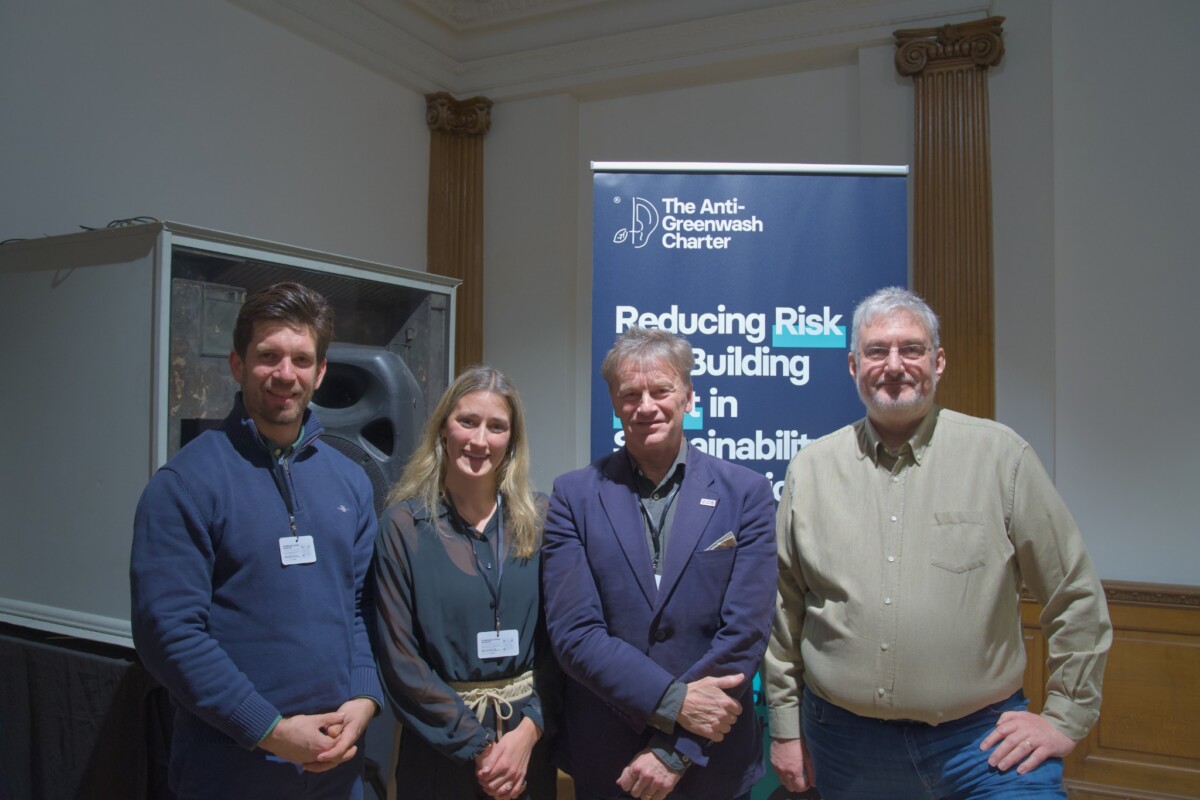
Structure changes behaviour. An independent standard such as the Anti-Greenwash Charter provides a consistent framework for decision-making.
It helps organisations determine not only what they can say, but how they should say it.
It is grounded in four principles.
- Transparency ensures that relevant information is visible and not selectively presented.
- Accountability connects claims to evidence and ownership.
- Fairness ensures that information is presented in context.
- Honesty ensures that language reflects reality rather than aspiration.
These principles are practical. They create alignment across legal, communications, and sustainability teams. That alignment reduces uncertainty.
From Defensive to Confident Communication
When organisations adopt a clear standard, internal dynamics change.
- Decisions become more efficient.
- Discussions become more focused.
- Risk becomes easier to assess.
- Confidence increases.
Not because the organisation is flawless, but because it is operating within a clear and defensible framework.
This is what replaces greenhushing. Organisations no longer rely on silence to manage risk. They rely on credibility.
What Leaders Should Take From This
If sustainability matters, communication matters. If communication matters, trust must be taken seriously.
Not as a vague concept or a brand metric, but as a principle that shapes how information is shared.
Stakeholders are not only evaluating actions. They are evaluating whether those actions are believable.
The End of Greenhushing
Ending greenhushing is not about saying more.
It is about communicating in a way that earns belief. That requires structure, consistency, and clarity.
The organisations that succeed will not be those that speak the loudest. They will be those that communicate with precision, honesty, and credibility over time.
When trust becomes the measure of success, silence is no longer effective.
Sustainability Communications with Confidence
If your organisation wants to protect its reputation, reduce greenwashing risk, and communicate sustainability with confidence, we’d love you to join us.
📢 Become a signatory of The Anti-Greenwash Charter.
Shape the future of responsible communication and show stakeholders what honest, trusted sustainability leadership looks like.