Engineers Without Borders UK Takes a Stand Against Greenwashing

Engineers Without Borders UK Takes a Stand Against Greenwashing.

Date: May 2024
Read time: 4 mins
Author: Charlie Martin
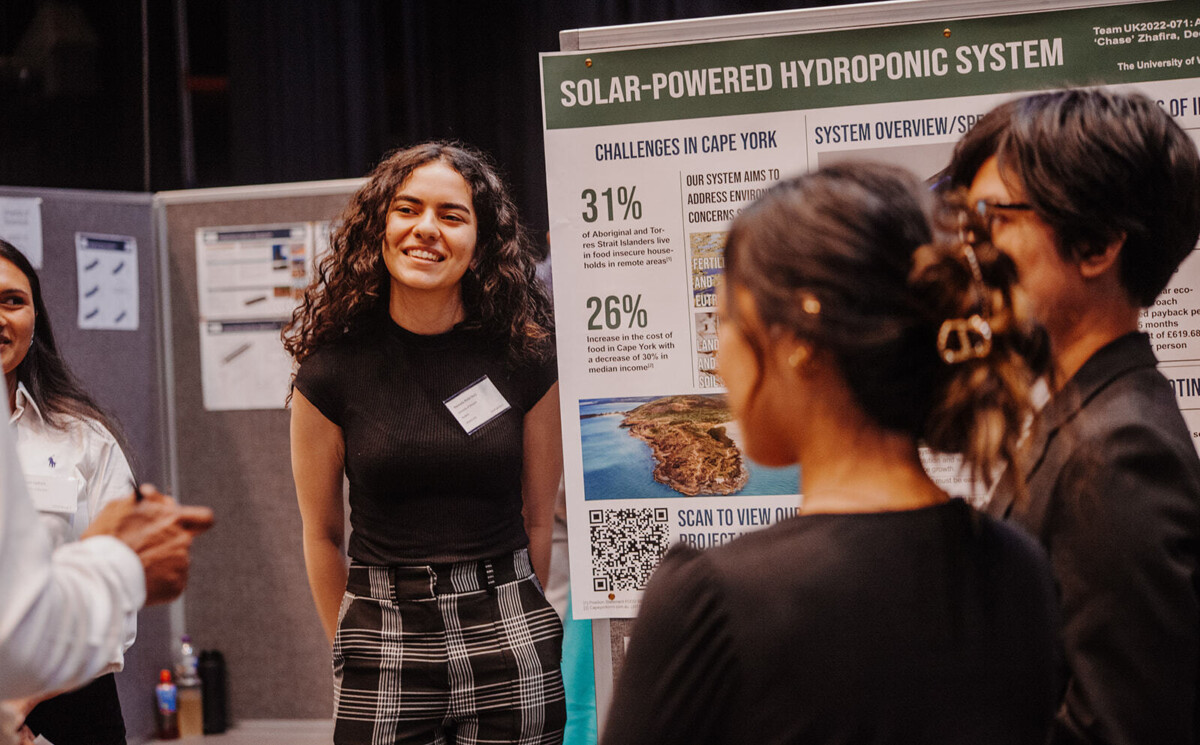
In the wake of increasing greenwashing scandals, Engineers Without Borders UK (EWB-UK) is stepping up its efforts to promote genuine sustainability in the engineering sector. While their recent partnership with The Anti-Greenwash Charter is a significant development, the driving force behind this move reveals a deeper commitment to ethical practices and global responsibility.

The Catalyst for Change

The decision to support The Anti-Greenwash Charter was sparked by a thorough review of EWB-UK’s due diligence policy. John Kraus, Chief Executive Officer at EWB-UK, provided insight into this important moment. He explained:

“Since the policy was last updated, we have seen a troubling increase in reported greenwashing by companies, including support for charitable organisations as a way to deflect attention from unsustainable or unethical practices.”

Discovering the Charter, which champions transparency, accountability, fairness, and honesty, aligned perfectly with EWB-UK’s mission. “At the same time, we discovered The Anti-Greenwash Charter, which perfectly aligned with our mission to promote transparency and integrity,” Kraus noted.
Defining Global Responsibility

At the heart of EWB-UK’s mission is a robust definition of global responsibility, rooted in four core principles: responsible, purposeful, inclusive, and regenerative engineering. These principles guide the organisation in promoting practices that meet the needs of all people while respecting planetary limits.

“We advocate for globally responsible practices in engineering, which means fulfilling the UN Sustainable Development Goals in ways that are ethical and inclusive,” Kraus stated.

“The Charter’s standards of transparency, accountability, fairness, and honesty align well with these principles.”

EWB-UK’s approach to sustainability goes beyond mere compliance; it involves a deep, reflective process on the role of engineering in society and its far-reaching impacts. This comprehensive view underscores the importance of ethical practices in driving meaningful change.

A Commitment to Vigilance

Aligning with the Charter has sharpened EWB-UK’s focus on maintaining integrity. Kraus emphasised:

“The Charter has sharpened our vigilance against greenwashing, especially when evaluating potential partnerships.”

This renewed vigilance recently led the organisation to decline a partnership that did not align with their standards, showcasing their commitment to authenticity.

A Vision for the Future

Beyond internal policies, EWB-UK aims to inspire the broader engineering community to embrace genuine sustainability. Kraus highlighted the sector’s unique position to effect change, employing millions in the UK alone:

“As a sector that employs millions, it is time for the engineering community to actively consider how we can address the destruction of global ecosystems and the current failure to meet basic human rights.”

The organisation advocates for a critical reflection on engineering’s social, environmental, and economic impacts, both locally and globally. “Ensuring transparency, accountability, fairness, and honesty as individuals and companies develop this practice will be critical for ensuring system-wide change,” Kraus added.

Stories of Impact

One striking example of EWB-UK’s commitment to these principles is their recent decision to forego a potentially lucrative partnership due to greenwashing concerns. This decision underscores their dedication to maintaining a reputation for integrity, even when it comes at a financial cost. “Our vigilance against greenwashing has led us to make tough decisions,” Kraus recounted.

“Recently, we decided not to pursue a partnership enquiry primarily due to concerns about maintaining our reputation for integrity.”

This story exemplifies EWB-UK’s steadfast adherence to their principles and their willingness to take a stand for what they believe is right, even in the face of difficult choices.

Concluding Remarks

Engineers Without Borders UK’s commitment to genuine sustainability extends far beyond their recent partnership with The Anti-Greenwash Charter. By championing global responsibility and maintaining rigorous standards, EWB-UK sets a powerful example for the engineering sector. Their dedication to ethical practices and their call for industry-wide change highlight the importance of integrity in driving real sustainability. As EWB-UK continues to lead by example, their story serves as a compelling reminder of the critical role that honesty and accountability play in shaping a sustainable future.

If you think The Anti-Greenwash Charter embodies the values of your organisation, find out more here.

About Engineers Without Borders UK

Engineers Without Borders UK strives to make engineering a driving force for a society that balances human and planetary needs. By partnering with the Royal Academy of Engineering, the Engineering Council, universities, professional bodies, and industry, EWB-UK is transforming engineering education and practice to address 21st-century challenges. Their programs, used by over 200 universities worldwide, equip engineers with technical and sustainable skills. With over 80,000 students having participated in the Engineering for People Design Challenge and 15,000 people engaged annually in experiential learning, EWB-UK aims to reach 250,000 participants by 2030, fostering a generation of engineers dedicated to sustainability and equity.

Futureproof and The Anti-Greenwash Charter Unite Against Greenwashing

Futureproof and The Anti-Greenwash Charter Unite Against Greenwashing.

Date: May 2024
Read time: 3 mins
Author: Charlie Martin

Futureproof, a leading sustainability platform, has recently announced a partnership with the Charter. This collaboration marks a significant step in the battle against greenwashing, as both organisations are drive home the message that sustainability claims need to be well evidenced and accurate.

A Partnership Rooted in Transparency

James Skirrow, Head of Customer Sustainability at Futureproof, shared the moment that solidified their support for the Charter. “TAGC’s approach to transparency is what really drove it home for us,” Skirrow explains.

“In such a scrutinised area of comms, we want to partner with a company that can hold companies to account in their messaging – and very clearly guide them through the process.”

Defining Authentic Sustainability

Futureproof’s commitment to sustainability goes beyond surface-level engagements, with Skirrow adding:

“At Futureproof, we define authentic sustainability as an integral practice that permeates every aspect of our operations,”

This approach emphasises continuous improvement and innovation across Environmental, Social, and Governance (ESG) dimensions. Their collaboration with the Charter reinforces this by setting rigorous standards that ensure company environmental claims are supported by tangible actions and measurable outcomes.

A Synergistic Approach

The synergy between Futureproof and the Charter is clear, as both organisations view companies as powerful catalysts for positive environmental change. By aligning with the Charter, Futureproof ensures that the strategic work done by companies in sustainability isn’t tainted by potentially misleading communications. This partnership helps companies steer clear of greenwashing by grounding their environmental claims in evidence and accountability, echoing Futureproof’s ethos.

Impact on Industry and Customer Engagement

Futureproof’s alignment with the Charter sends a strong message to the industry about the importance of authenticity in sustainability. Skirrow emphasizes the need for robust evidence to support sustainability claims, reflecting a proactive approach to avoiding greenwashing:

“Anyone with a keyboard has the ability to accuse you of greenwashing, so don’t worry about that, the important thing is backing up everything you say with clear, robust evidence.”

This partnership between Futureproof and The Anti-Greenwash Charter sets a new standard for authenticity in sustainability efforts. It not only supports companies in achieving their sustainability goals but also ensures that their efforts are communicated transparently and accurately. As this collaboration unfolds, it will undoubtedly inspire other organizations to prioritise genuine sustainability in their operations and communications, fostering a more honest and effective approach to environmental stewardship.

If you think The Anti-Greenwash Charter embodies the values of your organisation, find out more here.

Sentry Doors Spearheads Industry Change with Bold Anti-Greenwash Commitment

Sentry Doors Spearheads Industry Change with Bold Anti-Greenwash Commitment.

Date: 2nd Feb 2024
Read time: 3 mins
Author: Charlie Martin

Sentry Doors, a renowned manufacturer in the fire and security door sector, has embarked on a significant journey towards environmental responsibility by becoming a fully recognised signatory of The Anti-Greenwash Charter.

This commitment marks a pivotal step in the company’s dedication to promoting clear and honest sustainability practices, establishing a new standard of transparency within the industry.

Recognising the Need for Clarity
Catherine Clarkson, Head of Marketing & Strategy at Sentry Doors, outlined the motivation behind the company’s decision.

“We noticed that sustainability messaging can often be vague or confusing”

She added, “As leaders in the fire and security door market, we’re already committed to high standards of compliance and testing. Every product we offer is backed by solid verification, and we believe our approach to sustainability should be equally transparent.”

A Step Towards Transparent Sustainability
The company approaches sustainability as a continuous path rather than a final destination. “Our journey in Environmental, Social, and Governance (ESG) is just beginning, and we’re committed to transparency throughout this process,” Clarkson emphasised.

The Anti-Greenwash Charter has not only highlighted the importance of sustainability but also provided Sentry Doors with a framework to ensure their marketing practices and claims are both clear and substantiated.

Impact on Operations and Communication
The company’s alignment with the Charter has significantly influenced its internal operations and the way it engages with customers.

“Following our collaboration with the Charter, we’ve integrated sustainability training into our employee development programmes,”

This initiative is a critical component of a broader strategy aimed at encouraging Sentry Doors’ staff to engage in genuine sustainability practices and to avoid making misleading claims. “We regularly discuss sustainability strategies at the executive level and have established working groups to drive our sustainability agenda,” Clarkson added.

Upholding Transparency in a Competitive Market
Clarkson also addressed the challenge of maintaining credible and transparent environmental claims in a highly competitive environment.

“Our marketing team adheres to strict guidelines to ensure all our environmental communications are factual. Our unwavering commitment to compliance means that we only make claims that can be fully supported by evidence,”

Inspiring the Industry Towards Genuine Sustainability
By working with The Anti-Greenwash Charter, Sentry Doors has not only underscored its own commitment to sustainability but is also seeking to inspire the wider fire and security door industry and its clientele to prioritise genuine sustainability efforts.

Clarkson encourages her peers to adopt a similar stance. “By uniting as an industry to address these important issues, we can make significant progress,” she concluded.

“The Charter provides a platform for collaboration and the tools necessary for ensuring true sustainability.”

Sentry Doors’ backing of the Charter transcends a simple pledge; it serves as a clear call to action for the fire and security door industry at large to embrace substantial sustainability efforts earnestly.

Through its commitment to transparency, Sentry Doors is not just enhancing its brand reputation but is also laying the groundwork for a more trustworthy industry.

If you think the Anti-Greenwash Charter embodies the values of your organisation, find out more here.

Embracing Sustainability: Select First Signs the Anti-Greenwash Charter

Embracing Sustainability: Select First Signs the Anti-Greenwash Charter.

Date: 20th Nov 2023
Read time: 3 mins
Author: Charlie Martin

In an industry where sustainability has transitioned from a marginal to a central issue, Select First, under the guidance of Creative Director Tom Bourne, has taken a significant leap. This leap is their commitment to the Anti-Greenwash Charter, reflecting a deep-seated belief in authentic sustainability. Tom reflects on this evolution: “Probably less than 10 years ago, sustainability wasn’t really on the agenda for many brands, but over the last five or so years, it has become one of the biggest challenges they face.”

The Drive Towards Authenticity
The decision to join the Anti-Greenwash Charter stemmed from a critical observation of the industry’s tendencies towards superficial green claims. Tom notes the common industry practice:

“Manufacturers know they must talk about sustainability and green issues, so many seem to be looking for a ‘hook’ that makes them look good, at the compromise of honesty and transparency.”

Defining Genuine Sustainability
For Select First, the commitment to the Charter is more than a formality. It’s about setting a precedent in the industry. “Talking about sustainability is all about being honest,” says Tom, emphasising the need for clear, realistic sustainability targets and transparent communication.

Internal Transformation and Client Engagement
The Charter has not only reshaped Select First’s internal policies but also their approach to client engagement. Tom explains,

“Internally, as we’re a tight-knit agency, it has helped to formalise our approach and put everyone on the same hymn sheet.”

This internal cohesion is crucial in influencing clients and fostering broader industry change.

Educating for Integrity
A key aspect of Select First’s strategy is educating their workforce against greenwashing and in favour of genuine sustainability practices. Tom articulates this shared company sentiment: “We’re all more than aware and equally frustrated by its existence.”

Navigating Market Challenges
Maintaining transparent environmental claims in a competitive landscape is challenging, admits Tom. However, the Charter represents a commitment to overcome these hurdles. “It’s difficult and sometimes you feel compromised,” he concedes, but stresses the importance of honest communication.

Conveying a Message of Authenticity
By endorsing the Charter, Select First aims to showcase the importance of authenticity in sustainability to the industry and its clients. Tom hopes this move will inspire others to embrace genuine environmental practices and transparency. He states,

“I hope it sends a message that we’re serious about being authentic.”

A Standard for the Future
Select First’s adoption of the Anti-Greenwash Charter marks a significant step in their journey towards genuine sustainability and transparent communication. Tom’s insights underscore the importance of this commitment, setting a benchmark for not just Select First but the broader industry. This move is a clarion call for others to prioritise authenticity and transparency in their sustainability efforts.

If you think the Anti-Greenwash Charter embodies the values of your organisation, find out more here.

Charlie Law of Timber Development UK (TDUK) explains why the organisation joined the Anti-Greenwash Charter.

Charlie Law of Timber Development UK (TDUK) explains why the organisation joined the Anti-Greenwash Charter.

Date: Nov 2023
Read time: 4 mins
Author: Charlotte Waters

Industry body TDUK aims to connect the timber supply chain “from sawmill to specifier, and all points in between”. Its other mission aims are to lead best practice, and accelerate a low-carbon future. We asked their Sustainability Director, Charlie Law, to explain more about that, and why joining the Anti-Greenwash Charter seemed like part of the solution.

Construction and climate change

The Government has set the UK ambitious net-zero targets. Nonprofit Architecture 2030 estimates that 42% of CO2 emissions globally come from construction and building operations, so the construction sector is under pressure to show it builds responsibly and creates efficient, low carbon structures.

This creates both opportunity and hazard. Sustainable approaches to construction should grow given these priorities. However, ill-thought-out communications can make even honest organisations look untrustworthy, especially since increases in scrutiny and precisely-defined regulation mean weak claims will be increasingly highlighted.

Timber has genuine sustainability advantages over traditional building materials (it stores carbon and is renewable, provided you plant to replace what you harvest). Messaging will backfire, however, if claims are not made honestly and carefully.

We became signatories of The Anti-Greenwash Charter to help shape guidance to our members in this area, and to formalise our own policies, so we could demonstrate best practice ourselves.

The importance of defining your terms

The heart of honest messaging is to define the terms you use, so that you and others have a basis for assessing whether they are true. The Anti-Greenwash Charter works with members to create a green claims policy that is consistent with wider standards, but also customised and useful for the new member and their stakeholders.

With their support, we created our own TDUK Green Claims Policy which has sections on our standards and practices, and the values we expect of members. The longest section, though, is a set of sustainability-related terms, each carefully defined. By committing to being a signatory, we have pledged to use language in accordance with these definitions, and are urging our members to do so too.

This glossary is a work in progress, incidentally. We may respond to government definitions, and have noted some areas that merit further investigation. In a changing world, refinement of these definitions may never come to a final close.

Pretending you’re perfect means you stop improving

Whatever materials and methods you use, erecting a building means preparing and transporting various products and then working with them over a programme. The embodied carbon within these products is attracting more attention as operational carbon emissions over the life of an asset are reduced.

We have seen that some construction products, and indeed projects, claim negative numbers for embodied carbon impact, suggesting that if only the governments of the world rushed to build more such structures, climate change would be reversed. Sadly, that would not work, as the production and delivery of all materials, including timber, have a carbon impact, however small.

The key reason for these  negative figures is the inclusion of sequestered biogenic carbon (i.e. the CO2 the tree has pulled out of the atmosphere during its growing cycle and locked away within the timber) in assessments, without acknowledging that this will be transferred at end-of-life to another product or to atmosphere. Older assessment standards did not require the whole lifecycle of the product to be considered. Likewise, some construction project assessments also only considered the Upfront Carbon impact.

However, it is now acknowledged that including sequestered biogenic carbon, without considering the end-of-life scenarios, is misleading. Therefore, the latest versions of standards such as EN 15804 and EN 15978 now require a Whole Life Carbon Assessment (WLCA) to be carried out. This requirement has also been included in the latest RICS Professional Standard on WLCA, however it does also acknowledge that Upfront Assessments are regularly carried out, in which case any biogenic carbon must be excluded from the assessment and stated separately to show the Stored Carbon benefit of the biobased elements. However, it also acknowledges that dynamic assessment (taking into account possible alternative end-of-life scenarios) may deliver alternative results that show an improved carbon balance due to the biogenic carbon content.

We therefore encourage all TDUK members to refrain from claiming their products or construction projects are Carbon Negative, Carbon Neutral, or Climate Positive (unless of course they can demonstrate this over the whole life of their product or project), and instead focus on the benefits of the product having a far lower carbon impact than like-for-like products in like-for-like applications and stored biogenic carbon overall.

We are leading by example here at Timber Development UK and urge all members who create case studies to maintain a careful separation of these figures. Our products generally have a much lower embodied carbon impact than other mainstream construction materials, without us having to resort to misleading claims.

Green claims should be made proudly where they are true and meaningful. Otherwise, we should refrain from making them.

If you think the Anti-Greenwash Charter embodies the values of your organisation, find out more here.

Greenwash Webinar Feedback in Line With Research Findings

Greenwash Webinar Feedback in Line With Research Findings.

Date: Oct 2023
Read time: 2 mins
Author: Charlotte Waters

In our recent webinar with Futurebuild, we took the temperature of the audience on a number of topics to see how their experiences were reflected in the survey findings.

Investing in verified claims

The data says specifiers would pay more for a product with verifiable claims – how does that play out in reality?

  • 28% No, that’s not been the case in my experience
  • 59.5% On occasion, I’ve seen that to be the case
  • 12.5% Yes, I’ve often seen that to be the case

In this response, we can see that the data is backed up by people’s experiences. Specifiers are looking to include products that have verifiable claims. Whether those products stay on specification to the end is a question for a future poll!

Leaving greenwashing unchallenged

In the research, three-quarters said that there would be a loss of reputation ….. so we wanted to know, why aren’t we seeing more organisations doing more to stamp it out?

  • 8% Customers want products at whatever cost
  • 8% No commercial impact to being accused
  • 22% No legislative teeth
  • 62% No-one holding them to account

The majority believe that organisations will continue to greenwash until there is a robust method of holding them to account for the claims they are making. At The Anti-Greenwash Charter, we believe that a first step is in people creating a Green Claims Policy which shares how they make claims, and then being held to account for those by us as an independent body.

We aren’t looking to catch people out, but instead to encourage clarity around claims and then accountability in the face of a challenge. With too many conversations happening behind closed doors, it is hard to see how anything can improve.

Without universally accepted definitions of terms like ‘eco-friendly’ or ‘sustainable’, a Green Claims Policy is where you set out how you as an organisation define them. This offers clarity for customers and protection in the event of a challenge.

Getting clarity on definitions

Terminology is obviously an issue …. how could we reach universal definitions?

  • 11% Don’t know – it’s difficult to get universally agreed terminology
  • 19% Government-led definitions
  • 2% Not possible, we have to define it ourselves
  • 68% Sector-specific organisations to define for that industry

It’s clear that the audience felt that definitions have to be agreed within the sector rather than at a broader level. Which organisation would take responsibility for that is another follow-up question for future – would it be best from member organisations like RIBA or the Alliance for Sustainable Building Products, verification bodies like BRE or those focused on specific areas like The Sustainable Concrete Forum?

We’d love to hear your thoughts on these polls!?